• Skip to primary navigation
  • Skip to main content
  • Skip to primary sidebar

woodworkreviews.com

  • Home
  • Woodworking
  • wood
  • flooring
  • lumber
  • plywood
  • timber

flooring

hardwood flooring

Wood floors stay popular among people who want something that looks good, lasts a long time, yet adds worth to their house. Whether it’s rich solid strips or flexible layered panels, there’s a fit for each taste, space, and price range.

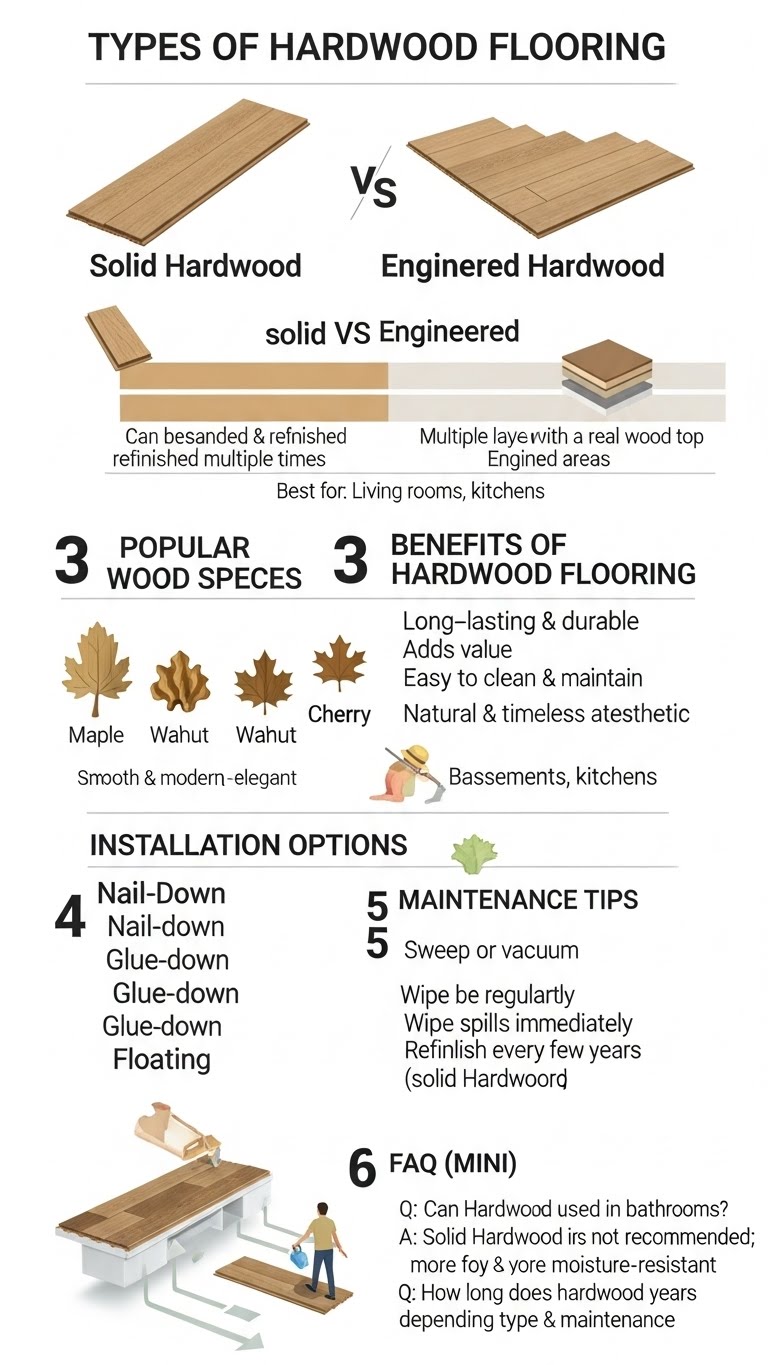
Hardwood flooring types

A slab of real wood forms solid hardwood flooring, making every plank distinct. One kind of timber shapes each piece, bringing natural variation to the floor.

A single plank might survive fifty years of footsteps. Sand it down when scratches show. Renewing the surface works again and again. Floors like this age slower than most. Each repair hides past wear without fuss
Adds significant resale value to your home

Wet air can warp it. Bathrooms? Not a good spot. Basements tend to ruin it over time
Fees add up when experts handle setup and upkeep

A slice of genuine timber sits atop several plys in engineered hardwood flooring. This setup uses a real wood veneer bonded over cross-layered base sheets. The surface grain looks just like solid wood but handles moisture better. Stability comes from the sandwiched core construction underneath. Each plank resists warping thanks to layered orientation below the finish

Built tough when humidity swings hit, stands up well where steam gathers. Handles heat below your feet without buckling. Cool runs matter less here, warping fears fade fast
Installation becomes simpler with click-lock mechanisms or by opting for a floating setup. These options suit those who enjoy handling projects on their own at home

Refinishing can happen only a few times – about two or three – because the surface layer is thin

What stands out? Oak. Grain patterns run deep, giving rooms a grounded feel. Tough enough for daily wear, yet warm under light. This wood fits spaces aiming for calm – no matter the era of design. Time passes, but its role stays clear
Rich brown tones define walnut. Its bold look grabs attention easily. The wood shows off wide streaks that flow in unpredictable ways. A deep luster comes through when light hits just right. Texture adds depth, never flat or dull. This material stands out without trying too hard
Bright tones flow through maple, offering a quiet elegance. This wood suits modern rooms where simplicity speaks louder than clutter. A smooth grain stands out without demanding attention. Clean lines meet soft hues in balanced harmony. Space opens up when light reflects off its pale surface

Older than most countries, Kährs builds floors meant to last. Their craft began long before modern trends took hold. Each plank fits tight through a special locking design few can match. Wood comes from forests managed over generations. Not just strong, but shaped by time and care. One hundred fifty years taught them how silence lives in solid timber
Apart from sturdy builds, GoodHome stands out with choices such as Skanor and Visby. These picks handle wear well while slipping into place without fuss. Built tough yet simple to set up – that’s the pattern here
One option sits quietly at home – European oak, crafted into planks that fit together by snapping. These pieces lean toward a handmade look without needing nails or glue. Each board connects fast, made for those who prefer building things themselves. The wood carries marks of age and grain, chosen for warmth rather than perfection. This floor works where life leaves traces
Cost and Installation

Wood flooring choices differ widely in price and setup. Priced above eighty pounds per square metre, solid hardwood needs expert installation. Its fitted cost runs thirty to fifty quid each metre. A cheaper route sits at engineered planks – fifty pounds up per area unit. Fitting those can be handled alone by most people. Some versions lock into place without glue or nails. That method cuts down work time and effort. One type lasts decades with care; the other brings stability across changing rooms. Value builds over years when picking natural grain. Floors set a room’s mood more than expected

Dirt gets everywhere. Wipe it up fast so tiny particles do not wear down the finish. A soft broom works well most days. When dust piles up, pull out a machine that sucks air hard. Grit acts like sandpaper over time. Keeping things tidy helps avoid dull marks later on
Messy puddles? Clean them fast. Place mats where folks walk a lot
Every seven to ten years, give solid wood a fresh finish by sanding it down first. Engineered planks handle light sanding only two or three times in their lifespan. A smooth surface comes back with careful prep work on solids. Thin layers limit how often engineered versions renew

What kind of hardwood floor works better – solid or engineered?
When it comes to flooring, solid hardwood stands the test of time plus can be sanded down and redone later. On the flip side, engineered wood handles shifts in humidity better, fitting together without much hassle. What works best depends on what kind of space you have and how much you plan to spend
What about using hardwood in bathrooms or basements?
Even though engineered hardwood tolerates a bit of dampness, solid wood usually fails where water shows up often
What is the price of hardwood floors for each square meter?
Pricing shifts when you step into solid hardwood – often past eighty per square metre. Engineered versions sit nearer fifty, give or take. Fit costs change based on how tricky the job gets
What’s the lifespan of a hardwood floor?
A well-maintained solid wood piece might endure decades. On the flip side, engineered hardwood usually holds up between two and three decades, influenced by usage and how often it’s refinished
Is hardwood worth the investment?
A solid wood floor often means a higher price tag when selling. Looks get better over time, unlike older carpets that wear thin. Decades pass, yet it still holds up where cheaper options fail
Wood floors do more than cover space – they show who you are. When fixing up a snug lounge or shaping a clean-lined kitchen, picking the correct kind of timber brings lasting strength plus character. Thoughtful choices matter at every step. Once laid well, real wood gives depth, comfort, and quiet beauty few materials match

Flooring


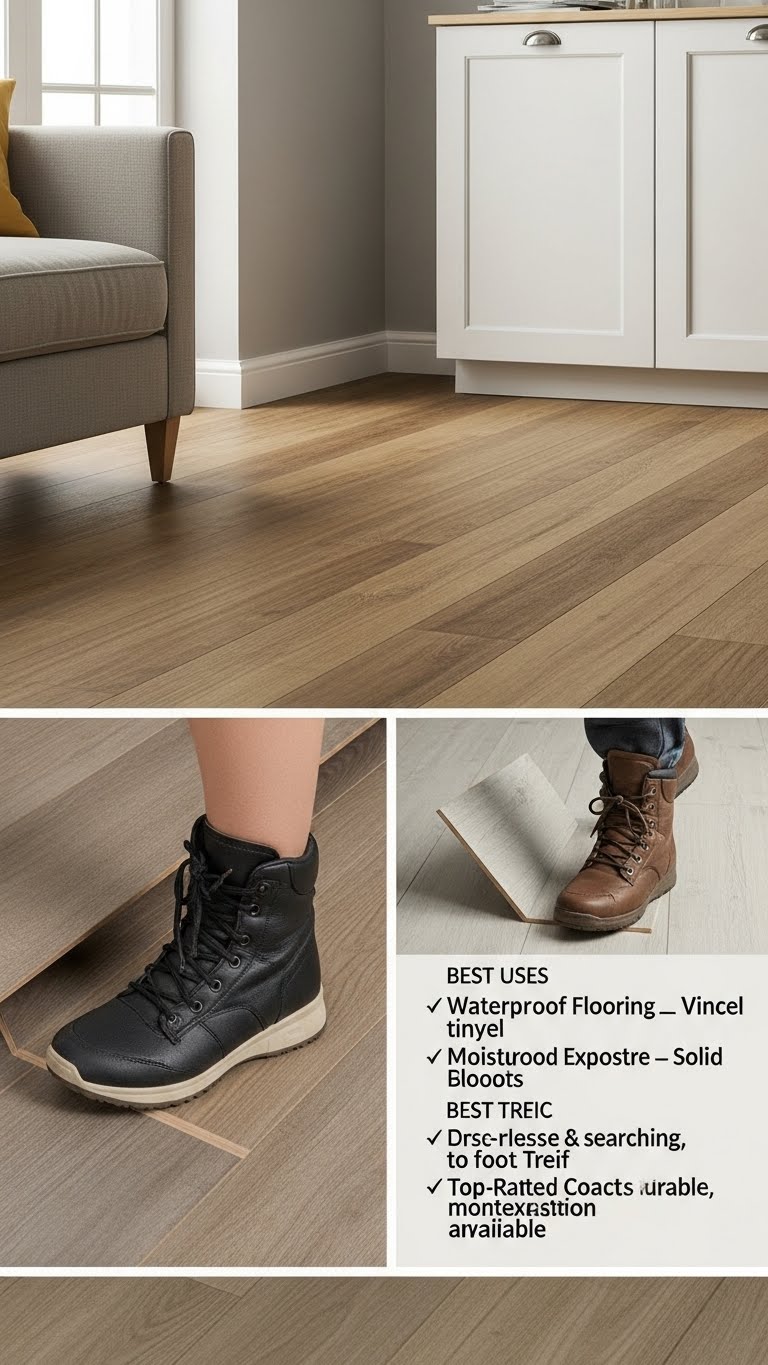
One step at a time, floors come in many shapes and materials, shaping how long they last, how hard they are to clean, or how nice they look. Not every surface handles spills the same – some laugh off water while others can’t stand dampness. Think about where you walk most, what your space feels like, and how much you want to spend before picking anything. Lately, people want something strong that doesn’t need constant care but still looks good doing it. This look at common floor choices shows which ones fit certain rooms, why some work better than others, and names real products liked across the UK.

Water resistant floors handle bathrooms plus kitchens well – Luxury Vinyl Tile stands up to spills better than most. Porcelain tile works just as hard in wet spots. Engineered wood feels right at home in living spaces where looks matter a little more. Bedrooms often go quiet with laminate underfoot, smooth yet tough enough. Places people pass through a lot lean toward LVT when durability counts. AC4-rated laminate holds its ground in busy zones without fuss. Carpet finds purpose on stair steps, softening every footfall along the way.

Floating across homes fast, Luxury Vinyl Tile sneaks in where spills fly – kitchens, baths, entries. Real look of timber or rock, minus the worry. No fear from puddles, pet claws, or muddy shoes. Warm on bare feet, unlike tile or laminate. Wipe messes without scrubbing hard. Built for families who live loud and clean quick.

Laminate flooring sticks around because it does not cost much plus holds up well, fitting households with kids or animals. Where you spend most time – like lounges, sleeping spaces, corridors, and front zones – is where it shines. Tough against scuffs, easy to set up without help, kind on budgets, handles busy spots without trouble – but skip using it where water gathers often. A solid pick unless moisture lives there.

A fresh look that mimics natural timber comes from engineered wood flooring, built with stacked layers for less shifting over time. Spaces like lounges, sleeping areas, or personal work zones handle it well; even kitchen use works when water gets wiped up fast. The surface wears genuine hardwood, links smoothly to heated floors below, handles damp better than solid planks, then later takes new finishes again.

Wood flooring made entirely of solid pieces stands as a high-quality choice, boosting a home’s worth over time. Living spaces and sleeping areas often suit it best because its look never fades. Over years, you might sand it down several times, giving it fresh finishes when needed. It holds up well, sometimes lasting many decades without weakening. Still, shifts in humidity or heat can cause problems if ignored.

Cold floors? Not here – ceramic and porcelain handle moisture without issue. Bathrooms, kitchens, even laundry spots lean on these tiles for solid performance. Tough enough for heavy foot traffic, they resist wear like few others do. Designs mimic real wood or natural stone, giving options beyond basic looks. When paired with heated systems below, the chill fades fast underfoot.

Lying underfoot, carpet stays a top choice for bedrooms, steps, and hallways because it feels cozy and holds heat. Soft to walk on, it also helps quiet sounds while offering many looks – yet needs regular care and won’t work where moisture lingers.

Water soaks into floors less when you pick Quick-Step Aquanto – this laminate clicks together fast, works in lighter business spots, and earns 4.6 stars from buyers. Real wood tops Home Choice’s engineered planks; rustic European oak wears a clear coat, feels natural underfoot, and sits at 4.6 after more than eight hundred customer thoughts. Fancy patterns show up in GoodHome Visby’s layout – the blocks lock in tight, heat flows well underneath, plus people hand it full marks again and again. Thick boards define Dartmoor Oak: tough enough for heavy foot traffic, resists spills nearly two days straight, built strong where life moves quick.

Wondering about good floor options for kitchen or bathroom spaces? Tile stands up well to water. Some people pick vinyl since it handles spills without fuss. Hardwood can work if treated properly against moisture. Each material brings its own strengths depending on how much wear it faces daily.
Underfoot comfort gives LVT an edge when bare feet matter. Kitchens and bathrooms demand surfaces that handle spills without worry – both materials deliver. One stays cool in winter, the other mimics warmth even on cold mornings. Scratches, moisture, heavy traffic – they withstand it all. Cleaning means wiping, nothing more. Porcelain holds up well, yet feels firm with every step.

What kind of floor holds up best where lots of people walk?
Flooring made from LVT or AC4 laminate stands up well in busy spots like entrances and corridors. When it comes to wear, these options resist scratches while keeping strength over time. Built tough, they manage constant walking without showing too much damage.

Is laminate flooring waterproof?
Floors made of regular laminate won’t block water completely. Yet a lot of newer types have centers that resist moisture, holding off leaks for around one or two days. These work well in rooms where people spend time. However, it’s best not to install them in areas with constant wet conditions like bathing rooms.

How do engineered wood floors compare with solid ones?
Starting off, engineered wood floors have a genuine hardwood surface attached over several lower layers. This setup handles dampness better compared to solid planks. On another note, solid wood comes entirely from one chunk of tree material. It allows many refinishing rounds over years. Yet it reacts strongly when air moisture shifts up or down.

Can flooring be used with underfloor heating?
Underfoot warmth works fine with engineered wood, LVT, laminate, or porcelain tile – these handle temperature shifts without trouble. Heat tends to make solid wood warp or gap, which is why it often does not suit such systems well.

Which floor type boosts a house price the most?
Wood floors built by engineering methods, alongside solid types, often boost home worth the highest. Their look feels rich. They resist wear well. These materials last many years. Appearance matters here. So does strength over time.

Is carpet a good choice for bedrooms?
Bedrooms often feel more inviting with carpet underfoot. Warmth seeps up through the fibers each morning. Softness meets your feet when stepping out of bed. Sound stays muffled, making late-night movements quieter. Air holds better between threads, helping rooms stay temperate. A sense of snug calm settles into spaces where pile cushions every step.

Ted’s Woodworking Plans 16000 DIY Projects Made Simple

Woodwork lovers might find what they need in Ted’s collection. Over sixteen thousand detailed guides sit ready for anyone keen on building things by hand. These plans work well whether you are just starting out or have spent years at the bench. Furniture pieces show up alongside outdoor structures and small decorative items inside homes. Almost any idea someone could want to make is likely hiding somewhere in the set.

Ever wonder what Ted’s Woodworking is? It’s a big collection of do-it-yourself wood projects, all laid out in PDFs. Instead of guessing how things go together, you get clear drawings plus written steps. Video guides come along too, showing exactly how each part fits. Because everything breaks down into small actions, beginners can keep up without stress. Some folks might think it’s only for experts, but that’s not true here.

Furniture ideas sit alongside backyard builds, storage fixes, among thousands of others – over sixteen thousand total. Plans stretch across categories without running out of options.
Watching someone do it can make tough parts clearer. A moving example shows what words miss. Seeing the motion helps spot small details. Steps flow better when they play out in real time.
Folders of paper sheets ready when screens fail. These stay useful without power nearby.
Step-by-step help that’s easy to follow, using pictures that show exactly what to do.
Starting with a tiny birdhouse or going all the way to an entire deck outside – Ted’s Woodworking walks beside you through each step. Project after project, it hands you clear direction without confusion. From first cut to last nail, help stays close. Whatever you decide to build, support shows up exactly when needed.

Built for simplicity, that is why folks keep coming back to Ted’s Woodworking. These plans skip the clutter – no fancy gear needed. Most setups work fine even in tight spaces like a garage corner. Picture starting small yet nailing solid builds every time. Fewer tools mean less hassle, more progress. Quality doesn’t demand square footage or deep pockets here.
Building from these plans costs less than purchasing ready-made furniture. With clear step-by-step directions, crafting pieces that fit your space becomes possible without spending much. What you get is something made just for your home, built by you, at a fraction of the price.
Furniture built by hand brings a quiet kind of pride. Success stories pour in from makers who’ve shaped raw materials into sturdy shelves, cozy chairs, standing desks – each piece tied to growth, confidence, learned precision.
Start your journey

Jump right into Ted’s Woodworking by buying a lifetime pass. This single payment opens every one of the 16,000 plans without delay.
Pick your favorite builds right there on the page. Grab the blueprints straight away through downloadable PDFs.
A place for everything makes work move without hiccups. Tools stay close when tasks call. Materials wait where hands can reach fast.
Start by checking the diagrams – every build comes with them. Measurements sit right beside each detail you need. Material lists show up early, so nothing gets missed. One piece follows another, keeping things moving smoothly.
Starting out might seem tough, yet taking it one piece at a time builds skill naturally. A steady hand grows stronger when each cut teaches something new. Confidence comes not from rushing, but from doing things right, slowly. Mistakes fade when patience stays close. Anyone can shape wood well – just keep going.

Tips for Successful DIY Woodworking To make the most of your plans:
Picking wood? Think pine if it is something light. Oak works when strength matters more. Cedar shows up best outdoors, where weather tries its worst.
A single wrench often does more than expected. Some jobs need only a drill, nothing else. Most tasks get done when you pick the right tool first. A hammer, a saw, sometimes that is enough. Power helps, yet simplicity wins now and then.
Avoid accidents by using proper protection every time you work. Stay safe because rules exist for a reason inside workshops.
Wait your turn. Big tasks need hours, sometimes days. Pay close attention to each step along the way.
A solid finish begins long before the last brushstroke. Each choice along the way shapes how well it holds up. Staying alert to details keeps things strong. Thoughtful steps lead to results that look right. Safety grows from consistent care, not luck.

For about sixty-seven dollars, you can get into Ted’s Woodworking – sometimes less if there is a short-term deal going. Should you change your mind later, refunds are an option. That means testing everything without pressure.
Building these projects cuts costs compared to buying ready-made pieces while improving how you work with wood. One moment you’re measuring, next you’re sanding – each step sharpens ability.
Frequently asked questions

Got questions about getting Ted’s Woodworking plans? Here’s how it works. Buy a membership – right after, you can grab every one of the 16,000 designs straight to your device. Everything comes as PDFs, ready whenever you are.

Not at all. These designs work just fine in tight spaces using only basic gear.

Starting out might feel tricky, yet these plans walk you through each part slowly. Every stage comes with clear drawings that show exactly what to do next.
Q4: What types of projects are included?
Furniture comes first when thinking about sheds. Decks follow, tied closely to how home décor shapes outdoor spaces. Projects outside grow from these pieces, linked by purpose rather than plan.

Got your cash back if things don’t work out? Most plans give you two months to decide. That stretch feels fair, right?

Got videos? Every premium plan unlocks access to more than 150 of them. From start to finish, they guide you step by step.

Got a printer? Every plan can be saved then printed whenever needed. That way you have them even without internet.

What’s the price tag on a membership? Around sixty seven dollars to begin, sometimes less when deals pop up.

Primary Sidebar

Categories

  • flooring
  • Great offers
  • lumber
  • plywood
  • timber
  • wood
  • woodboards
  • Woodworking

Recent Posts

  • Small and medium sized woodworking project ideas you can add to your living spaces
  • Designer Color Combinations That Transform Any Home!
  • Timeless home decor trends the will last for years!
  • Creative wood furniture and wood décor pieces ideas to add warmth and beauty to your living spaces
  • Small wood working project ideas you can start making today
  • Beyond The Build How to Maximize Profit from Your Woodworking Creations!
  • Wood furniture ideas and wood décor ideas you can make to maximize profit from Your Woodworking
  • Woodworking projects that sell
  • Profitable Wood furniture ideas and wood décor pieces ideas you can make at home and sell online
  • Wood furniture ideas and wood décor pieces you can make for profit
  • Rustic Wood furniture and décor pieces which will add charm to your living spaces
  • Wood furniture and décor pieces which will make you look twice

  • Home
  • Woodworking
  • wood
  • flooring
  • lumber
  • plywood
  • timber