• Skip to primary navigation
  • Skip to main content
  • Skip to primary sidebar

woodworkreviews.com

  • Home
  • Woodworking
  • wood
  • flooring
  • lumber
  • plywood
  • timber

Great offers

wood boards


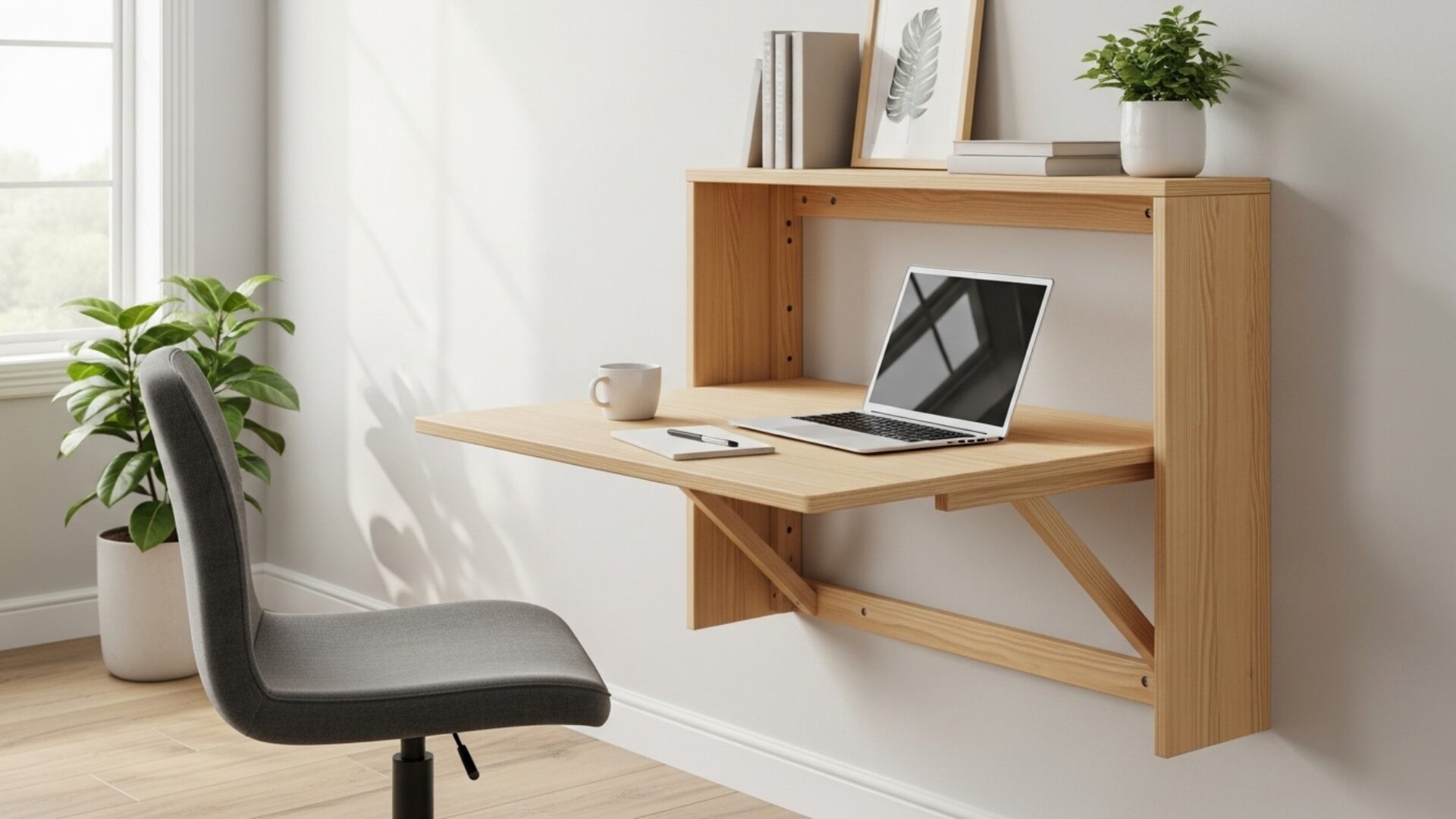
Starting off with wood can mean making things that hang on walls without nails. Some folks begin by shaping pieces to hold photos, fitting glass behind wood edges. Time spent might fill a morning, maybe two or three hours, sometimes stretching past four.

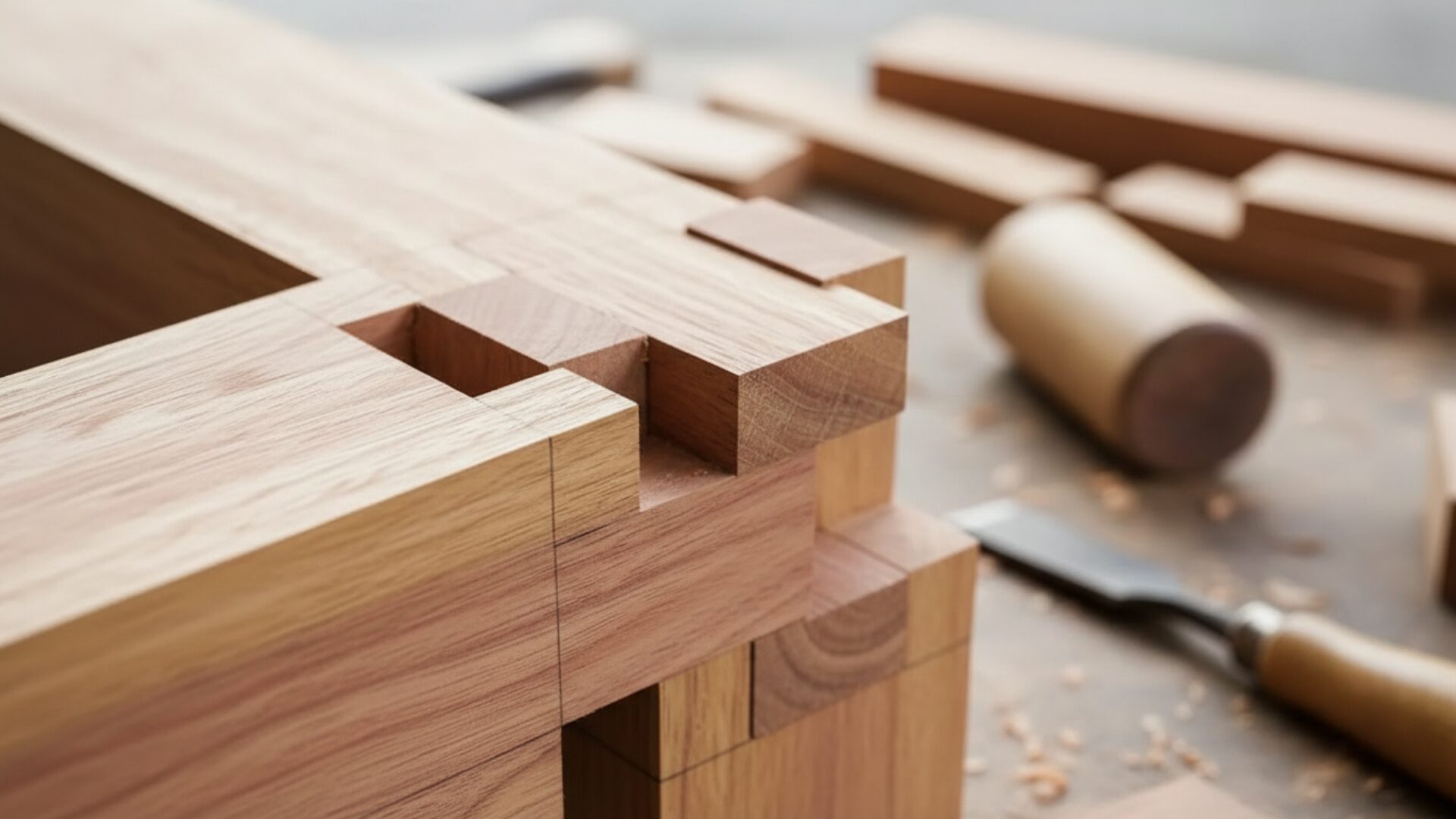
Working through each step builds confidence with rulers, saws, then smoothing rough spots. Boxes for plants come together fast, using basic joints and little hardware. These small jobs stick to straight lines, avoiding complex angles or fancy fittings. From start to finish, hands stay busy crafting items useful in daily spaces around the house.

Start simple. Hands-on work shapes skill quicker than any guidebook ever could. Building basic things brings confidence, slowly. One cut at a time teaches precision more than theory ever does. Useful objects come from small steps – cutting, sanding, joining – with real results showing up fast. Skip the complexity; learn by doing what lasts. Progress hides in pieces that fit together right. Most growth happens before you even notice it.

It begins with something basic. That way, mistakes won’t chase you away before you even get going. Picking up how wood moves comes first. Then, seeing how pieces lock into place. Accuracy shows its worth when lines line up clean. Small projects turn into ones others notice. Soon enough, someone will want one made just for them.

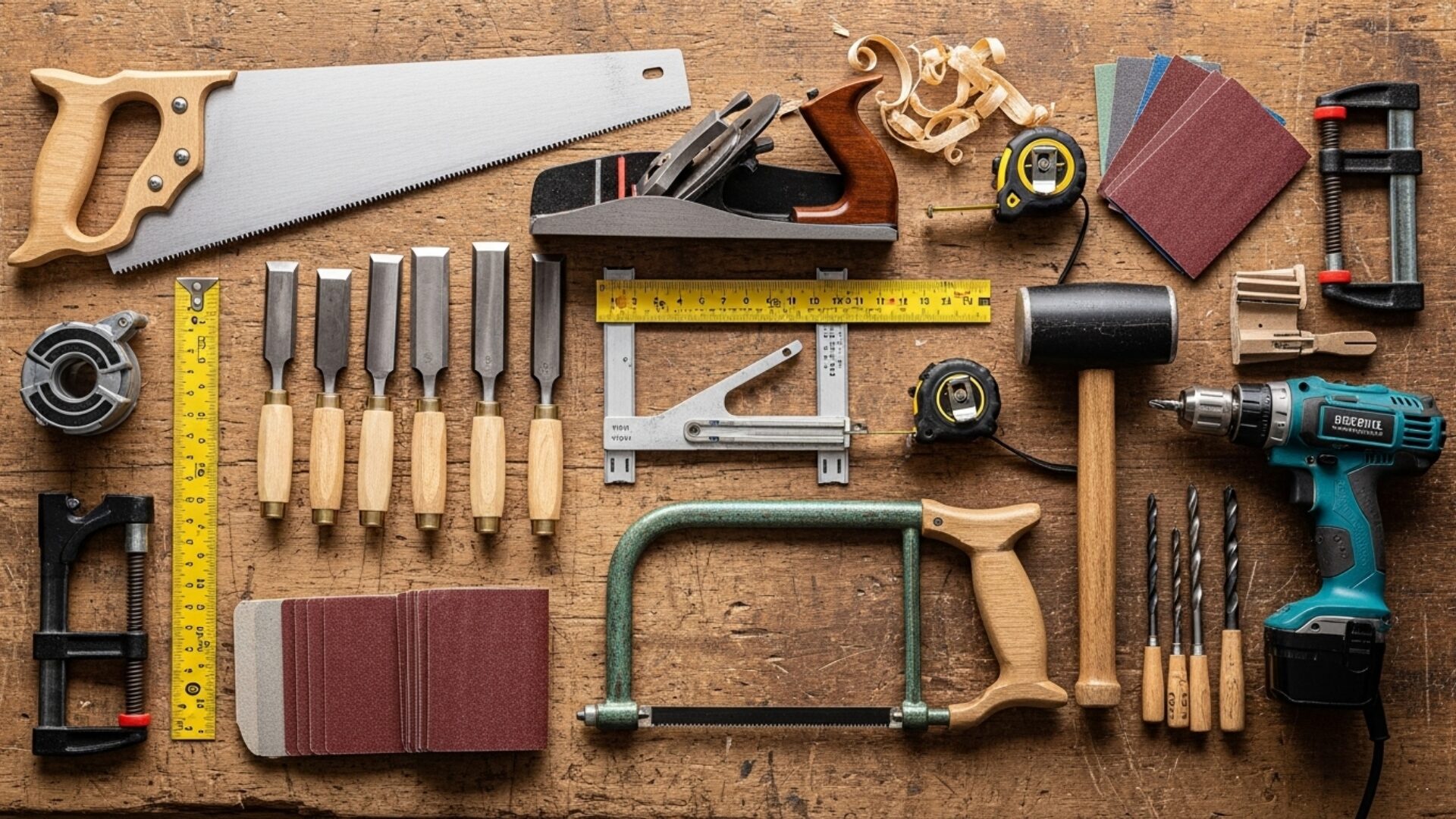
A solid start begins with what’s already in your drawer – or should be. Grab a hand saw, maybe a circular one if you’ve got it. Toss in a drill plus some bits that fit. Sandpaper comes next; mix up the roughness levels. Wood glue holds things tight while they set. Clamps keep pieces lined up right. A tape measure gives honest numbers every time. Don’t forget the pencil marks fade less than guesses. Most small jobs? Done with just these. Fancy extras wait till later.
Need wood cut? Many shops will do it at little or no cost. That small trick opens up projects for people living in tight spaces.
Easy woodworking projects for beginners to finish in a weekend

Pull off one plank, size it right, then rub down rough spots till soft to touch. Hidden clips go on next – hold tight without showing. That shelf you made? Stores things like store-bought ones but cost only eight bucks. Pine works fine if money matters more. Go solid wood when lasting longer counts.

Start by gluing thin pieces of maple or walnut into a slab. Hold them tight with clamps and leave it all night. Once set, smooth every surface until flawless using sandpaper. Next comes a coat of mineral oil that won’t harm food. Most edge-grain versions are done in about three hours. When you go for end grain – those square patterns – it needs sharper care yet turns out striking. Finished ones stand out on any countertop.

Starting out? Skip the fancy angled cuts. A basic square joint holds just fine for a rough-hewn look. Take four lengths of wood, join them at the ends with glue. Tuck in glass up front, a back panel behind. Hang that drawing your child made last summer. Or rescue the gig flyer fading on your wall.

Start by gathering five wooden boards, some glue, plus a handful of screws – these build small boxes perfect for greenery. A drill makes quick work of adding escape routes for excess water on the base. Finish the look with stain or color that fits where it sits. Herbs stretch out here, succulents settle in, flowers perk up. Sunlight hits just right near the window ledge.

A single plank on the wall holds coats once hooks go up. Finish it fast. Try routed lines along the sides or charred patterns from a pyrography pen. Less than sixty minutes builds something useful that also looks sharp.

Triangular chunks get sliced off at the ends, then sanded till skin feels raw. Stain slips on after, or maybe a coat of paint – your call. Oak stands strong here, thick and stubborn under pressure. Wobbly stacks of novels? Now they’ve got something solid to lean against.

Built right, wooden coasters handle spills way better than store-bought ones. Try slicing a tree limb into quarter-inch pieces instead of buying extras. Smooth each piece down with sandpaper until edges feel soft. A coat of clear sealer keeps water from sinking through later. Eight can finish before sunset if you start midday.
A single piece of wood can become a wine rack, useful without needing much. Handcrafted things stand out because they fix everyday issues quietly. Not everyone notices at first, yet these small creations often get used daily. A holder for tablets or phones takes little effort to build, still changes routines. What matters is how well it works, not how complex it looks.

One wrong cut can cost extra time plus materials. Mark each piece clearly where it won’t get lost. Numbers right there mean fewer errors later.
Start rough, then go finer – jumping steps leaves marks behind. Move up from 80 to 120, then finish at 220 for a soft touch on wood.
A blade that cuts poorly will rip wood apart, send pieces flying. Fifteen dollars buys a sharp one – saves time fighting jams later.

Start by checking out videos on YouTube – plenty of them walk you through each stage. Over at Ana White’s site, you’ll see full breakdowns including what to buy and how much it costs. Hang around the woodworking subreddit and real people will help clarify doubts while sharing their own experiences.
Finding extra planks tossed aside is common at timber suppliers. A polite request might just get you what you need without charge. For rougher builds, shipping pallets can serve well – though checking each piece for rusted spikes and soft spots comes first.

Start again each time. Mistakes stack up into skill. One board might wobble  later ones sit flat. Every mistake whispers a fix. A crooked joint? Now you check angles twice. Split timber? Grain runs where it wants, now you watch its path. Tenth try feels different. Not magic. Just practice wearing down doubt.
Maybe begin where errors don’t matter much. Later move toward work needing exact moves. In half a year, what feels out of reach now will feel normal.
Woodworking can feel doable when you begin small. Choose something simple, grab your materials, then cut the pieces. What comes together might just fit perfectly where it’s meant to go.

FAQ 

What is the easiest woodworking project for complete beginners?
A wooden cutting board might be just right for your first try. With nothing but straight-line sawing, some smoothing by hand, plus sticking two pieces together, it moves fast. Learning how long to cut, how even to make edges happens without pressure. A real thing you can use at home shows up before most movies finish.

What tools do I need to start woodworking at home?
A person starting out only needs six things. One option for cutting is a hand saw, although a circular saw works too. A power drill comes with different bits. Sandpaper should range from 80 up to 220 grit. Wood glue holds pieces together while drying. Clamps keep joints tight during that time. Measuring accurately requires a tape measure. Most small builds are possible using these items alone. Many hardware shops will cut boards for you. That means buying a large table saw might be unnecessary.

Starting woodworking – what’s the price tag like?
Woodworking begins around fifty to one hundred and fifty dollars for starter tools, while each build might take ten to thirty bucks on supplies such as pine or poplar. Free timber often turns up through discarded pallets or leftover pieces at sawmills. As new gear gets added, spending climbs slowly. Still, small builds stay easy on the wallet.

Where can I find free woodworking plans for beginners?
Over at Ana White’s site, you will find basic woodworking blueprints that cost nothing. Jump over to YouTube where quick clips show each move in real time. Some corners of Reddit, say r/woodworking or r/BeginnerWoodWorking, hand out free starter guides too. Photos line up beside directions so every slice and screw makes sense. Lists tell you what wood to buy, how much, before saws even start

.

hardwood flooring

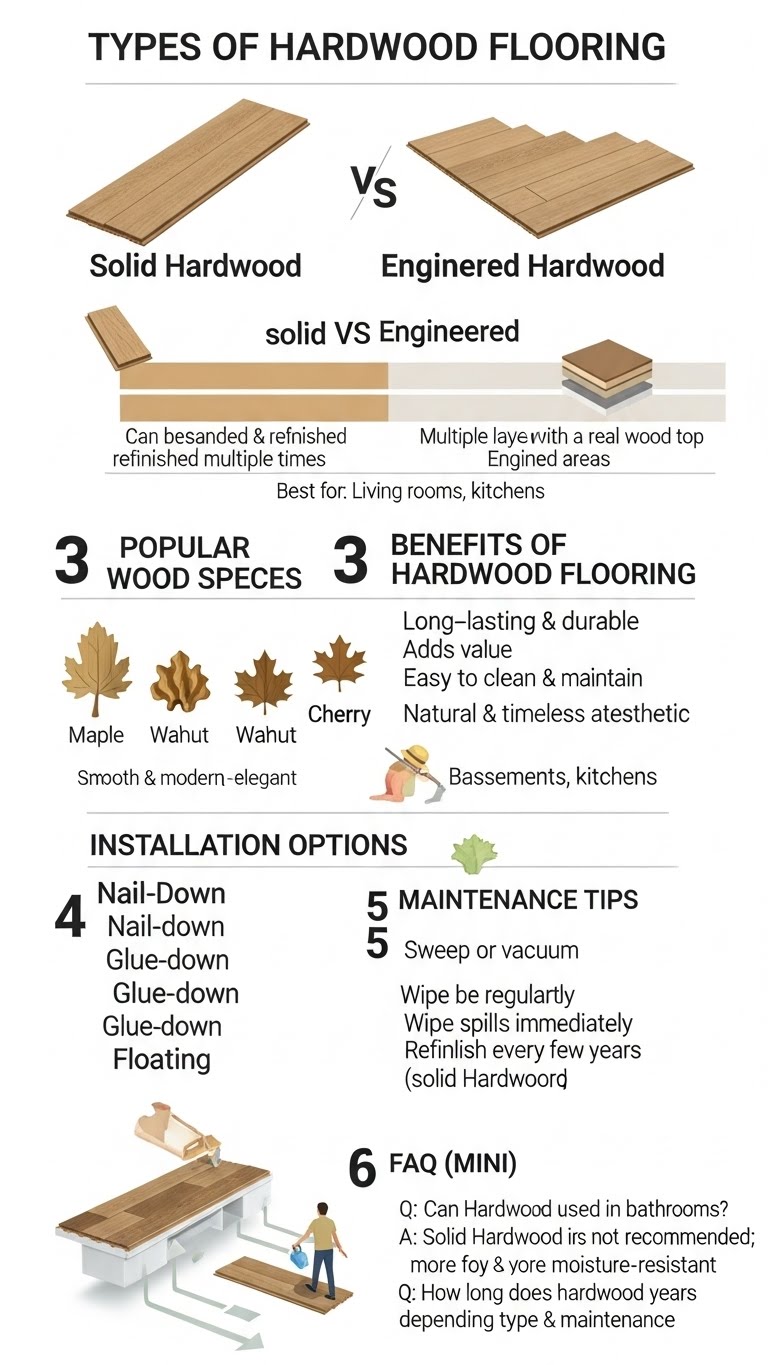
Wood floors stay popular among people who want something that looks good, lasts a long time, yet adds worth to their house. Whether it’s rich solid strips or flexible layered panels, there’s a fit for each taste, space, and price range.

Hardwood flooring types

A slab of real wood forms solid hardwood flooring, making every plank distinct. One kind of timber shapes each piece, bringing natural variation to the floor.

A single plank might survive fifty years of footsteps. Sand it down when scratches show. Renewing the surface works again and again. Floors like this age slower than most. Each repair hides past wear without fuss
Adds significant resale value to your home

Wet air can warp it. Bathrooms? Not a good spot. Basements tend to ruin it over time
Fees add up when experts handle setup and upkeep

A slice of genuine timber sits atop several plys in engineered hardwood flooring. This setup uses a real wood veneer bonded over cross-layered base sheets. The surface grain looks just like solid wood but handles moisture better. Stability comes from the sandwiched core construction underneath. Each plank resists warping thanks to layered orientation below the finish

Built tough when humidity swings hit, stands up well where steam gathers. Handles heat below your feet without buckling. Cool runs matter less here, warping fears fade fast
Installation becomes simpler with click-lock mechanisms or by opting for a floating setup. These options suit those who enjoy handling projects on their own at home

Refinishing can happen only a few times – about two or three – because the surface layer is thin

What stands out? Oak. Grain patterns run deep, giving rooms a grounded feel. Tough enough for daily wear, yet warm under light. This wood fits spaces aiming for calm – no matter the era of design. Time passes, but its role stays clear
Rich brown tones define walnut. Its bold look grabs attention easily. The wood shows off wide streaks that flow in unpredictable ways. A deep luster comes through when light hits just right. Texture adds depth, never flat or dull. This material stands out without trying too hard
Bright tones flow through maple, offering a quiet elegance. This wood suits modern rooms where simplicity speaks louder than clutter. A smooth grain stands out without demanding attention. Clean lines meet soft hues in balanced harmony. Space opens up when light reflects off its pale surface

Older than most countries, Kährs builds floors meant to last. Their craft began long before modern trends took hold. Each plank fits tight through a special locking design few can match. Wood comes from forests managed over generations. Not just strong, but shaped by time and care. One hundred fifty years taught them how silence lives in solid timber
Apart from sturdy builds, GoodHome stands out with choices such as Skanor and Visby. These picks handle wear well while slipping into place without fuss. Built tough yet simple to set up – that’s the pattern here
One option sits quietly at home – European oak, crafted into planks that fit together by snapping. These pieces lean toward a handmade look without needing nails or glue. Each board connects fast, made for those who prefer building things themselves. The wood carries marks of age and grain, chosen for warmth rather than perfection. This floor works where life leaves traces
Cost and Installation

Wood flooring choices differ widely in price and setup. Priced above eighty pounds per square metre, solid hardwood needs expert installation. Its fitted cost runs thirty to fifty quid each metre. A cheaper route sits at engineered planks – fifty pounds up per area unit. Fitting those can be handled alone by most people. Some versions lock into place without glue or nails. That method cuts down work time and effort. One type lasts decades with care; the other brings stability across changing rooms. Value builds over years when picking natural grain. Floors set a room’s mood more than expected

Dirt gets everywhere. Wipe it up fast so tiny particles do not wear down the finish. A soft broom works well most days. When dust piles up, pull out a machine that sucks air hard. Grit acts like sandpaper over time. Keeping things tidy helps avoid dull marks later on
Messy puddles? Clean them fast. Place mats where folks walk a lot
Every seven to ten years, give solid wood a fresh finish by sanding it down first. Engineered planks handle light sanding only two or three times in their lifespan. A smooth surface comes back with careful prep work on solids. Thin layers limit how often engineered versions renew

What kind of hardwood floor works better – solid or engineered?
When it comes to flooring, solid hardwood stands the test of time plus can be sanded down and redone later. On the flip side, engineered wood handles shifts in humidity better, fitting together without much hassle. What works best depends on what kind of space you have and how much you plan to spend
What about using hardwood in bathrooms or basements?
Even though engineered hardwood tolerates a bit of dampness, solid wood usually fails where water shows up often
What is the price of hardwood floors for each square meter?
Pricing shifts when you step into solid hardwood – often past eighty per square metre. Engineered versions sit nearer fifty, give or take. Fit costs change based on how tricky the job gets
What’s the lifespan of a hardwood floor?
A well-maintained solid wood piece might endure decades. On the flip side, engineered hardwood usually holds up between two and three decades, influenced by usage and how often it’s refinished
Is hardwood worth the investment?
A solid wood floor often means a higher price tag when selling. Looks get better over time, unlike older carpets that wear thin. Decades pass, yet it still holds up where cheaper options fail
Wood floors do more than cover space – they show who you are. When fixing up a snug lounge or shaping a clean-lined kitchen, picking the correct kind of timber brings lasting strength plus character. Thoughtful choices matter at every step. Once laid well, real wood gives depth, comfort, and quiet beauty few materials match

Lumber


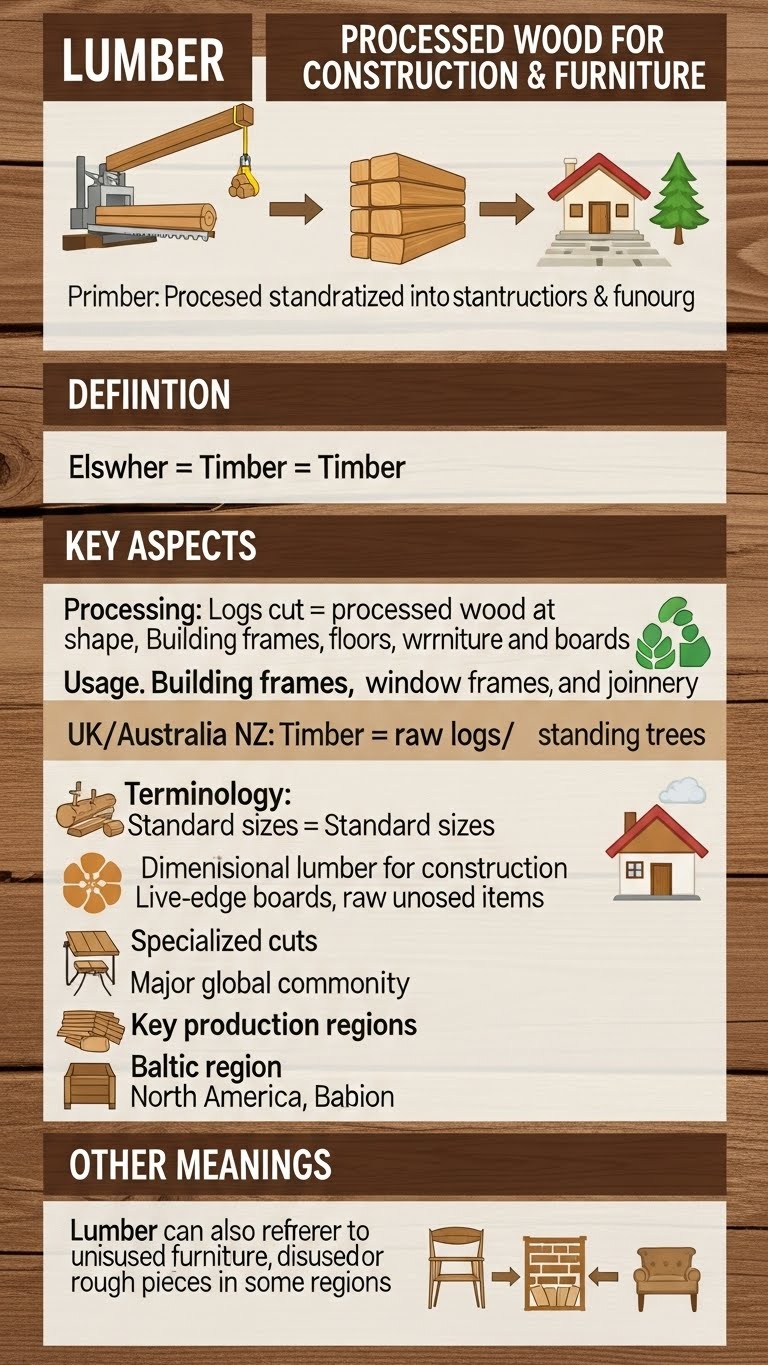
Freshly sawn wood shaped to standard sizes becomes what we call lumber. Mostly it goes toward making buildings, cabinets, chairs, that sort of thing. Across America and up through Canada people use “lumber” when talking about those tidy wooden pieces ready for building work. Raw tree trunks still unprocessed? Those are called timber there. Jump over to Britain or down under in Australia though, one word does it all – “timber” fits every stage.
What is Lumber? History and Terminology
Back then, “lumber” meant bulky things left sitting in storage. Over time, around the 1600s, folks started using the word for wooden planks made by sawing trees. These days, logs get chopped down first. After that, workers peel off the bark before slicing them up. The cutting method aims to reduce flaws – knots or curved sides, known as wane.
Softwood vs. Hardwood

Built from evergreens like spruce or pine. Fir also fits this group neatly. These come from forests where needles stay through winter
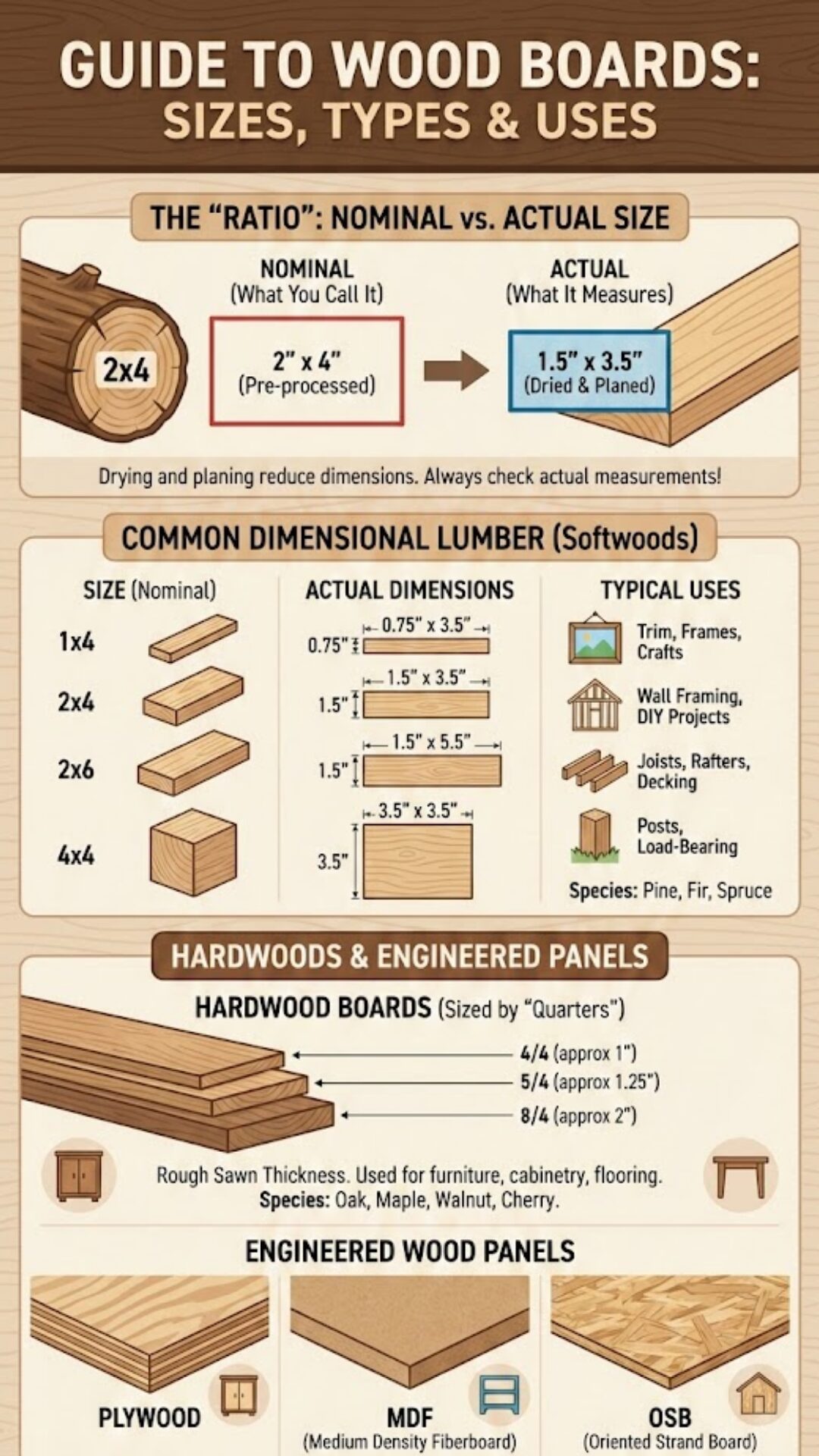
Available in sizes like 2 by 4 or 4 by 4
When it comes to building frames, this fits right in. Trusses often rely on its strength. Construction work uses it regularly. Its role stays steady across different jobs

Built tough, hardwood comes from leaf-shedding trees like oak. Think sturdy chairs or smooth trim – maple fits that role well. Cherry brings a warm hue to cabinets or detailed moldings. Each type shapes differently under tools, yet holds its form long after
Foot-by-board, that is how they sell it
Thickness uses a quarter-based count. Four quarters stack to one inch. Eight make two full inches

Turns out, a board called a 2×4 measures just 1.5 by 3.5 inches. The gap between name and size? It’s due to how wood gets processed after cutting
Drying pulls water out, making timber smaller. Shrinking happens when dampness escapes from lumber
Surface gets even as planing machines cut down size

A piece of lumber starts out bigger than what it becomes. Called nominal, that first cut measures two by four inches. Rough and ready, this is how it leaves the mill. Over time, planing smooths it down. What you get now differs from the starting point. Actual size shows up smaller after processing
A quarter inch less than the stated dimension defines the real width. Three and a half inches mark its actual span across. One and a half inches tall – that’s what it measures once set and dry. Final form comes in smaller than labeled
One hundred years ago, boards were built stronger; now they press together less tightly. That shift sliced their crushing resistance down close to a tenth.

What makes wood expensive? Home building picks up, costs jump. When loans cost more, fewer houses go up – less need for timber. Mills sometimes slow down, supply shrinks. Sudden shifts in any of these tilt the price one way or another. Markets react fast when builders buy heavy. A quiet construction season pulls prices lower. Trade rules tweak availability too. Weather halts logging now and then. Each piece fits into a larger puzzle

Housing demand climbs even as higher mortgage rates slow new construction. Fewer homes being built means less need for materials like lumber. Builders pull back when borrowing costs rise. This shift affects how much wood gets used across projects. Rising rates make financing tougher, so companies scale down plans. With fewer groundbreakings, timber orders shrink accordingly
Few mills running. When prices drop too low, factories often slow down work. This shrinking output can leave supply short
Shipping routes worldwide face hiccups now. Delays pile up when borders tighten rules. Movement slows across oceans and land crossings. Some goods get stuck without warning. Trade lanes shrink under new limits. Trucks wait longer at checkpoints. Ships circle ports with nowhere to dock. Supplies dwindle far from factories. Crossing borders takes more time than before. Delivery times stretch unpredictably
Lumber sits near five hundred fifty dollars for every thousand board feet lately – yet shifts fast without warning. Still, that number might not last till next month.

One thing about wood? It grows back, which helps keep things going round and round. Picture this: every cubic meter holds close to a full tonne of carbon dioxide. Still, tossing it away shows up as a big snag down the line
Most leftover wood ends up buried in trash sites. Around two out of every three parts never gets reused. Waste piles grow while usable material disappears underground. Landfills quietly collect what could have had another life
Burning waste to produce power accounts for 16 out of every 100 units. That method turns trash into heat used for electricity generation
17 percent is recycled

How to Improve Recycling Use reclaimed lumber for new projects
Convert wood waste into mulch or biomass fuel
Support products made from secondary raw materials

FAQ

Why isn’t a 2×4 actually 2 inches by 4 inches?
What you get starts as a measured log, still wet and untouched. Once it loses moisture and gets smoothed, its real shape shows – exactly one and a half by three and a half inches.
What is the difference between lumber and timber?
Freshly cut trunks? They’re called timber across Britain. But in North America, that name sticks only until processing begins. Once sawn into planks, they shift from timber to lumber there. Meanwhile, British usage keeps calling it timber – no matter the stage.
What level of dampness makes wood start to decay?
Mold shows up when levels rise past twenty-two percent. Wood stays safe if kept under nineteen. Moisture near twenty-five invites rot. Below that line, trouble slows down.

Wood can be a lasting resource – if handled with care. Making it pollutes less than producing steel or concrete while trapping carbon inside. Recycling still happens too rarely, yet forests renew themselves over time.
Halfway through a four-part split of hardwood – this setup splits logs into quarters – is what people mean by the quarter system.
Lumber thickness? It’s based on quarter-inch segments. Four quarters stack up to one full inch. When you see 8/4, that means two inches deep. Each step adds another half inch to the total.
What affects lumber prices today?
Fueled by homebuyer needs, lending costs shape how much mills produce. Though construction appetite shifts, factory response follows closely behind. When loans get heavier, building slows – factories adjust without delay.

Timber


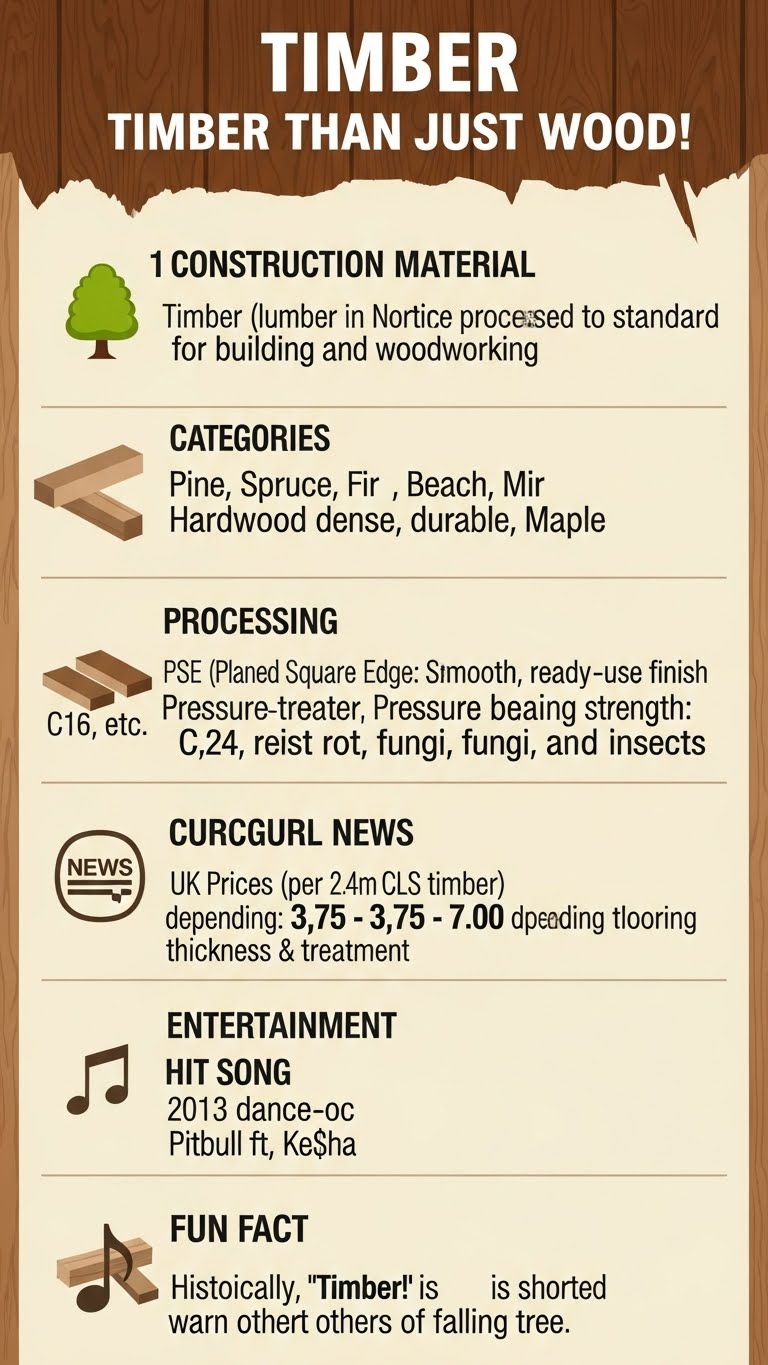
Wood cut for building work often goes by the name timber. Sometimes, depending on where you are, that word might mean trees still in the ground or freshly felled trunks. Around the world, people link it with eco-friendly structures, man-made wood panels, and new styles in architecture.

Wood shaped for building work goes by the name timber. This term shifts just a bit depending on where you are. Across the UK, Australia, and New Zealand, it means wood prepped for framing homes or crafting furniture. Over in North America, people tend to call untouched forest trees or freshly downed trunks timber, reserving the word lumber for what comes out of the mill. These naming quirks aside, one fact holds steady – this material builds much of the world around us.

Wood shows up everywhere in building – frames, roofs, floors, even outdoor steps. Its mix of toughness and low cost makes it a go-to choice. People pick it not just for price but because it bends well to different needs. Fences, cabinets, decks – all find their shape from this material. Sustainability plays a role too; forests can renew what we take. Inside homes, you’ll see it as doors, stairs, or built-in shelves. What sticks around longest often has roots in timber.

One kind of wood you often see? Sawn timber. It comes straight from the log, sized but left rugged. Finish does not matter here. Builders pick it when strength matters more than looks. Frames go up fast with this stuff. Roofs take shape without fuss. Surface texture stays raw on purpose.

Smoothed on every side, planed timber suits uses like shelves or furniture where looks matter. Finished edges come from a milling process known as PSE – short for Planed Square Edge. This type carries clean surfaces thanks to machine treatment. Often found in places needing neat woodwork, such as around doors or built-in units.

Wood that’s been soaked in protective chemicals stands up well to wet conditions, decay, and bugs. For things like patios, yard barriers, or backyard sheds, this version works best outside. It survives longer when exposed to rain or soil because of the treatment it gets early on.
Starting off strong, timber meant for structure gets sorted by how tough it is. Most often you will see C16 – good enough for everyday building jobs that need support. Then there is C24, tougher stuff with neater lines in the wood, picked when floors, walls, or big frames must hold more weight. Toughness matters where things rest on beams.

Out there in the UK, folks reach most often for 4×2, then 3×2, along with CLS when framing needs wood. Cost shifts – depends who sells it, if it’s treated, where it ends up.

A common timber option in Britain, like a 2.4-metre plank graded C24 and sized 4 by 2, usually costs between five fifty and eleven pounds
A piece of CLS studwork timber, sized 38 by 63 millimetres and two point four metres long, costs between three pounds fifty and four pounds
From £4.50 up to £6.50 for treated C16 wood sized 75 by 47 millimetres
Home building, updates around the house, also personal fix-up jobs often go with these measurements. These dimensions pop up a lot when people work on their own spaces, make changes inside walls, or handle small tasks by themselves.

Folks often look up places like B&Q, Wickes, or Travis Perkins when they need wood across the UK. Trusted names such as Jewson, Selco, and Savoy Timber pop up just as much. Then there’s Champion Timber, Fulham Timber, plus UK Timber and MKM Building Supplies – common choices too. You can get approved building-grade lumber through these sellers. Think CLS frames, pressure-treated planks, even custom lengths shaped on request. Trade pros pick stuff up here. So do people fixing things at home.

Wood shows up more often these days inside today’s building designs. Products like CLT and glulam make it possible to build taller structures – offices, homes, flats – with natural material instead of only steel or concrete. Strength matches demand, shapes stay open for creativity, safety holds during fires, all while cutting down pollution released into air. Countries across Europe back this shift deliberately through rules favoring eco-friendly methods on new builds.

What makes wood a green choice? When harvested the right way, it stands out among eco-conscious construction options. Trees replanted after cutting keep the cycle going, locking away carbon as they grow anew. Materials made from such sources hold onto that captured CO₂ during years of use. Look for labels like FSC or PEFC – these mark supply chains rooted in care and openness. Trust builds where origin can be followed step by step.

Out of the woods and into songs, timber pops up more than just in forests. A track by Pitbull with Ke$ha gave it loud life on radios everywhere. Not far off, a soccer team from Oregon carries the name proudly too. Seen here, heard there, it sticks in minds without trying hard. That kind of presence? It shapes what people type most online.

Got questions about timber versus wood? Here’s what sets them apart.
From trees comes wood, a basic natural stuff. Once cut and shaped for building, it becomes timber.

Imagine a type of wood built tough – C24 timber fits that picture. This isn’t just any lumber; it carries weight well, standing up in critical roles. Think floor supports or wall frames holding up structures. Strength runs deep here, making it trusted where safety matters most.
Is treated timber safe for outdoor use?
True. Since it handles dampness well, resists bugs, stays strong over time – treated wood fits outside work perfectly.
What about wood – does it cost less than steel or concrete?
Faster builds often happen with wood since it usually costs less at home sites compared to concrete or metal.

Plywood


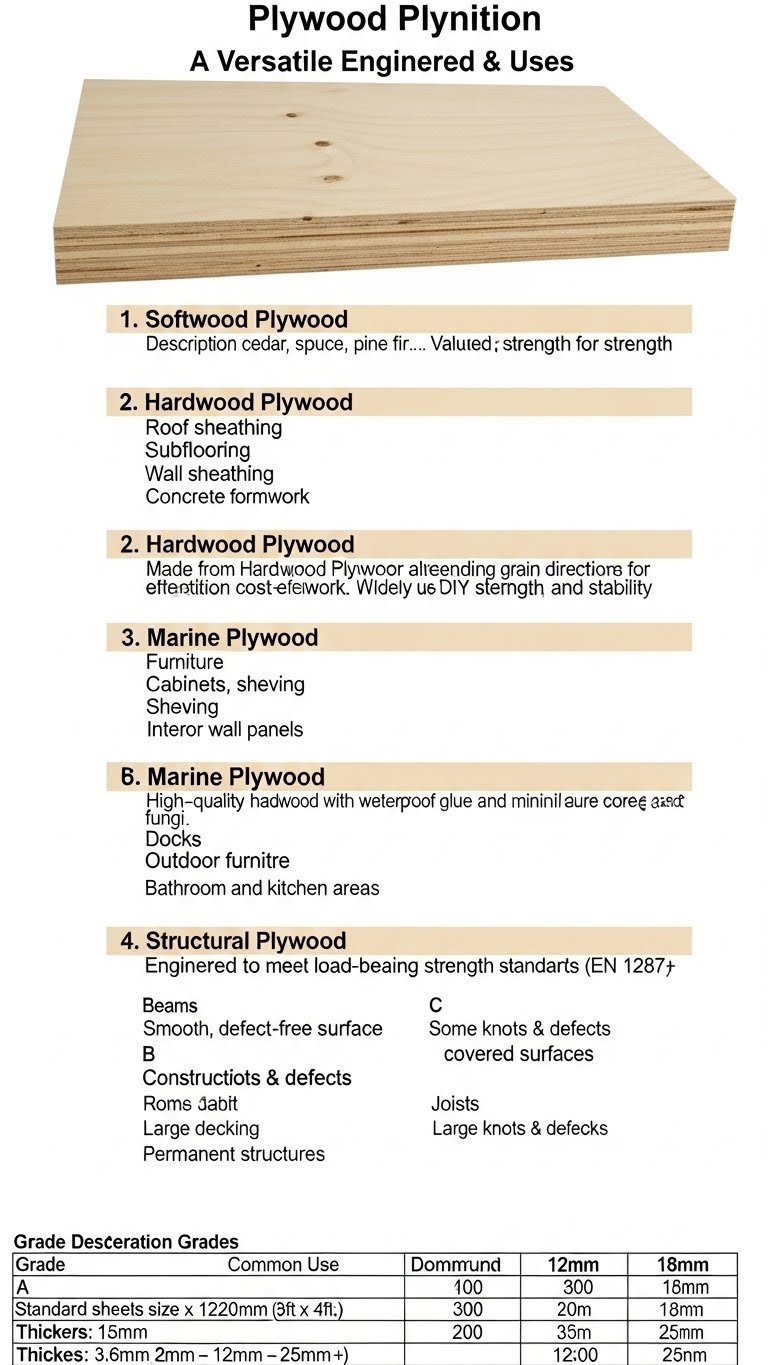
Need plywood in London? Options range from affordable softwood to high-end marine types. Big stores usually carry 8×4 sheets – measuring 2440mm by 1220mm – in sizes between 6mm and 25mm thick. Basic ones begin at roughly £12, while top-tier marine versions can go past £60.

Ever wonder why plywood sticks around? It handles moisture better than solid wood, staying flat when others twist out of shape. One layer runs vertical, the next horizontal  this cross pattern fights splitting without adding bulk. Light to carry, strong where it counts.
Start by slicing through it however you like  drill holes if needed. Painting works just fine, staining too. When assembling shelves, setting down flooring, or putting together a table, this material keeps up. It does what’s asked while staying affordable.

Common plywood types available in London stores
Starting strong with oak, birch, or maple, this plywood holds up well while looking good. When looks count, it shows up in shelves, cabinets, and furniture pieces. Toughness comes through just as much as the smooth surface does.
Priced between nineteen and forty-two pounds. Sheets measure eighteen millimetres thick
Perfect when you need something that shows. Think detailed work like built-in shelves or fine wood connections. Great where looks matter most

When it comes to building jobs, softwood plywood stands out Douglas fir mixed with pine brings solid performance without the high cost. Cheaper than many alternatives, it shows up where budget and durability are top priorities.
Price range: £12-£31 for 18mm sheets
Perfect when you need something strong underfoot. Works well on walls too. Roof surfaces hold up better with it. Pours of concrete stay in place because of its shape

Water soaks into regular wood. Marine plywood stands up to it just fine thanks to glue that won’t give way when wet. Tiny spaces inside most boards invite trouble yet this type stays solid throughout. Boats get mentioned a lot but your deck or shed could benefit too. Toughness comes from layers sealed tight one by one. Moisture tries hard still it can’t push through easily here.
Priced beyond sixty pounds, an 18-millimetre slab slips into budget territory only for some. Cost climbs fast when thickness matters. That size often stretches past basic spending plans
Fine when it stays outside a lot. Works well on decks, patios, boats, garden chairs. Holds up where air feels heavy with damp

Bend it any way you like – this plywood doesn’t fight back. Curves happen easily, no steaming needed. Craftsmen choose it when shapes get tricky. Ideas take form without hassle.
Perfect when shaping wood for rounded chairs. Works well with arched door frames. A go-to for smooth half-pipes used in skateboarding. Fits right into modern front counters at offices

A single sheet often wears two labels. Think of it like front and back having separate report cards. Grade A means smooth, even surfaces without flaws. The opposite end, grade D, accepts knots and patches. One letter judges what you see first. Another handles the hidden side. Quality shifts between those extremes. Labels combine these ratings into a pair.
Silky smooth, without a single flaw. Perfect for spots that get lots of attention. Place it where eyes tend to linger.
Some small imperfections okay here. Works well below coatings or transparent layers.
Knots as big as one and a half inches? That’s okay here. Out of sight work gets this grade – hidden spots only.
Not meant for looks – this one’s got big knots, plenty of gaps. Out of sight jobs fit it best. Picture under floors, maybe crates.

Fresh air moves through spaces meant for inside use – think bedrooms or lounges where walls block moisture. These spots stay safe from rain, snow, or damp conditions. Workrooms tucked under cover also fit here. Only areas without wetness belong on this list. Settings must keep surfaces dry at all times
Now here’s a twist – this version copes when dampness shows up mid-build, then dries naturally afterward
When rain hits, it stays dry inside thanks to a tight seal from weatherproof adhesive. Outdoor builds hold up when shielded like this. Rain, wind, sun – none get through easily if sealed right
Places to find plywood in London

Starting at eleven forty-seven, twelve-millimetre hardwood ply can be found across several B&Q spots in London. Orders above three hundred fifty pounds come with no charge for shipping. Pick up your order the same day if you buy it online easily. One option is collecting what you need straight from the shop.

Over at Builder Depot, a few spots across London stock 18mm hardwood ply – costs £22.43. Marine grade sits on shelves too, priced higher at £59.97. Shoppers often find deals better when buying more. Staff there tend to make things smooth for work crews dropping by.

Starting at thirteen pounds, non-structural hardwood plywood sits on Wickes shelves. Structural types hover near thirty quid. If you’re in London, pickup beats delivery for speed. Workers there know their stuff when it comes to picking a solid grade.

Built for tradespeople, Travis Perkins offers solid structural hardwood plywood – eighteen millimetre sheets cost forty-two pounds nineteen. Across various spots in London, their stores welcome both handymen and serious builders alike.

Pick up whole 8×4 panels rather than ready-cut bits – costs drop by a third to half when you do the slicing. Many shops lend out saws or will chop them for a few extra dollars.
When getting several sheets, ask about lower prices per piece. Usually, three and above means each one costs less.
Half-off deals often hide in plain sight. Look for items with bent edges or leftover rolls near the back of the store. Employees might point you toward bins labeled “imperfect” or tucked behind ladders. These scraps run just fine when sliced down later. Flaws on the outside usually dont matter once re-sized.

Pick a thickness between six and nine millimeters if you need something light. Panels like these work behind drawers or on cabinet backs. Think thin but steady for small jobs. A lighter sheet holds its place without weighing things down
A dozen millimeters works fine for typical cabinets. Light storage units fit this thickness well. Wall coverings inside rooms often use it too
Built strong, 18 millimeters suits big jobs. Kitchen cupboards stand firm with that thickness. Solid shelves hold weight without bending. Floor panels last longer when they are this dense. Sturdy furniture often uses material of this measure
24mm+: Structural applications, workbenches, heavy load-bearing projects

Frequently Asked Questions Is plywood stronger than solid wood?
Plywood works well in nearly every situation. Because it’s built with layers running different ways, it stays flat and strong no matter which direction force comes from. Unlike solid wood, which tends to crack following the grain line, this material holds together without splitting.

Moisture breaks down the glue in indoor plywood fast. That means layers will split apart before long. Outdoors, pick exterior or marine types instead. Their binders handle wet just fine.

At many B&Q locations, they’ll shape plywood how you need it. Not every branch handles this the same way. One might bill you per slice, another may toss in a handful at no cost. Get on the phone first – check what applies where you are. Show up with precise numbers written down. That part matters more than people think.
Which works best for furniture – MDF or plywood?
Built tough, plywood handles weight without failing. Cheaper than its cousin, MDF gives a flawless paint job though it drags on the scale. When water looms or stress mounts, reach for layered wood instead. Sink into damp conditions, and MDF breaks apart like stale bread.
How do I transport an 8×4 sheet without a van?
Half-cutting sheets at no charge? Common in most London shops when you’re driving off with them. Fasten the pieces well on your roof rack instead of risking loose flaps. Otherwise, hand over thirty to sixty pounds for nearby drop-off – a price some accept just to skip the trouble.
Does plywood need sealing?
Fresh coats on inside spaces aren’t required for protection – appearance gets a quiet lift when color goes on. Out there, where rain leans hard against surfaces, shielding wood means locking it down with tough base layers made for open air, finished off with coatings that resist wet rot.
Your project could begin now. Head to a local London store with your measurements in hand – people there know their stuff, they will point you toward the right choices. Go when it suits you.

Lumber Liquidators


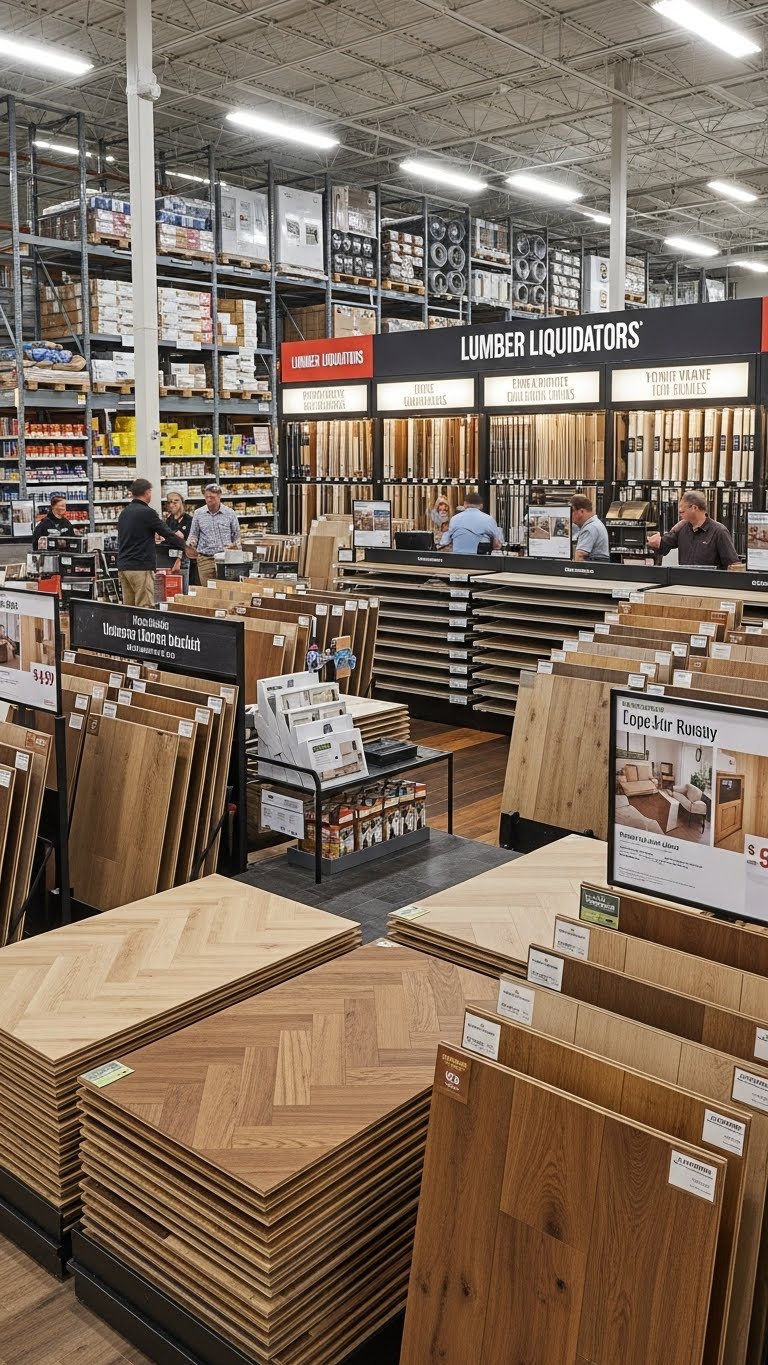
Lumber Liquidators sells floors made of wood, vinyl, laminate, or materials that resist water. Across more than two hundred locations in the United States, plus a website, customers can explore what’s available. Once known by another name during tough financial times, it returned to familiar branding after leaving bankruptcy behind in 2024. Leadership now rests again with those who started it all.

Back again under its old name, Lumber Liquidators returns after a short stretch as LL Flooring from 2020 to 2024. A big overhaul behind the scenes led to the revival of the original brand. This shift leans into simplicity, hoping to win back confidence while zeroing in on what they do best – affordable hard-surface floors. Starting up in 1994 out of Richmond, Virginia, the business made waves by selling floor products straight from factories, skipping markups common elsewhere. Right now, people fixing up homes, builders, and weekend project fans still rely on them nationwide.

Hardwood floors are just one thing you will find at Lumber Liquidators. Oak, maple, hickory – these come in solid planks cut straight from the log. Then there is engineered wood, built with layers to handle humidity better than traditional types. Waterproof luxury vinyl mimics real timber but stands up to spills and heavy foot traffic. Laminate gives a similar look, only tougher against scratches while keeping cost low. Tile options cover both porcelain and ceramic, suited for wet areas or high-use zones. Bamboo and cork appeal to those who want renewable materials beneath their feet. Stability matters, so underlayment rolls help smooth out uneven subfloors. Moldings finish edges neatly where surfaces meet walls or doorways. Stair components match each floor type for consistent transitions between levels. Glues and fasteners hold everything together depending on installation needs. Even cleaning supplies sit on shelves here, made specifically for long-term upkeep of these finishes.

Across the United States, over two hundred storefronts belong to Lumber Liquidators. Their digital presence lives on lumberliquidators.com, where shopping happens without leaving home. Browsing begins with ease, then sample requests follow naturally. Home delivery arrives doorstep, whereas store pickup costs nothing extra. What stands out? Trained crews handle installations through a network of approved partners. This mix draws those who like do-it-yourself tasks just as much as it does people wanting everything done for them.

Back in August 2024, LL Flooring stepped into Chapter 11 bankruptcy – sales had been slipping, expenses climbing, people buying less. At first, shutting everything down seemed likely. Then, suddenly, things shifted. F9 Investments took over; it is run by Tom Sullivan, who actually started Lumber Liquidators long ago. Instead of ending it all, they trimmed the load – some weak spots closed up shop. Other key outlets stayed open. The name itself snapped back: LL Flooring vanished, replaced again by Lumber Liquidators. Thirty years of recognition still holds weight. Stability, not spectacle, guides what happens next.

Still worth checking out for floor choices? Even after earlier scandals and money troubles, this company holds its ground through low pricing, wide options, open stock levels. Shoppers keep coming back thanks to deep discounts, plenty of wood and vinyl types, stores spread across the country, clear material facts listed up front. Every buyer should look into coverage rules, request test pieces, confirm how setup works prior to deciding.

Even now, Lumber Liquidators holds its ground. As home updates pick up speed, more people want floors that resist water – like vinyl and layered wood – and those choices keep gaining traction. The company leans into lower prices, zeroing in on basics folks actually need. Shoppers care about worth, not just labels, so practical offerings make sense. What once felt outdated now fits right in.

FAQ
Lumber Liquidators exists today. Still active past 2025, it runs more than two hundred physical locations across America. Operations also continue through its website. Changes in structure and name helped shape its current form.

Back in 2024, after being bought by new owners, the company decided to return to its old name. Because of that shift, they brought back L lumber Liquidators instead of keeping LL Flooring. Trust started growing again once people recognized the familiar identity. Brand awareness improved when the original name reappeared on stores and ads.

Waterproof floors? You can get them at Lumber Liquidators. They stock plenty of vinyl planks that handle moisture just fine. Laminate options are also available if you want something resistant to spills and dampness.

Hardwood floors at low prices – Lumber Liquidators often has them. Their range includes solid wood along with engineered options, priced to match tight budgets.

Finding where Lumber Liquidators has its main office? It sits in Richmond, Virginia.

Flooring


One step at a time, floors come in many shapes and materials, shaping how long they last, how hard they are to clean, or how nice they look. Not every surface handles spills the same – some laugh off water while others can’t stand dampness. Think about where you walk most, what your space feels like, and how much you want to spend before picking anything. Lately, people want something strong that doesn’t need constant care but still looks good doing it. This look at common floor choices shows which ones fit certain rooms, why some work better than others, and names real products liked across the UK.

Water resistant floors handle bathrooms plus kitchens well – Luxury Vinyl Tile stands up to spills better than most. Porcelain tile works just as hard in wet spots. Engineered wood feels right at home in living spaces where looks matter a little more. Bedrooms often go quiet with laminate underfoot, smooth yet tough enough. Places people pass through a lot lean toward LVT when durability counts. AC4-rated laminate holds its ground in busy zones without fuss. Carpet finds purpose on stair steps, softening every footfall along the way.

Floating across homes fast, Luxury Vinyl Tile sneaks in where spills fly – kitchens, baths, entries. Real look of timber or rock, minus the worry. No fear from puddles, pet claws, or muddy shoes. Warm on bare feet, unlike tile or laminate. Wipe messes without scrubbing hard. Built for families who live loud and clean quick.

Laminate flooring sticks around because it does not cost much plus holds up well, fitting households with kids or animals. Where you spend most time – like lounges, sleeping spaces, corridors, and front zones – is where it shines. Tough against scuffs, easy to set up without help, kind on budgets, handles busy spots without trouble – but skip using it where water gathers often. A solid pick unless moisture lives there.

A fresh look that mimics natural timber comes from engineered wood flooring, built with stacked layers for less shifting over time. Spaces like lounges, sleeping areas, or personal work zones handle it well; even kitchen use works when water gets wiped up fast. The surface wears genuine hardwood, links smoothly to heated floors below, handles damp better than solid planks, then later takes new finishes again.

Wood flooring made entirely of solid pieces stands as a high-quality choice, boosting a home’s worth over time. Living spaces and sleeping areas often suit it best because its look never fades. Over years, you might sand it down several times, giving it fresh finishes when needed. It holds up well, sometimes lasting many decades without weakening. Still, shifts in humidity or heat can cause problems if ignored.

Cold floors? Not here – ceramic and porcelain handle moisture without issue. Bathrooms, kitchens, even laundry spots lean on these tiles for solid performance. Tough enough for heavy foot traffic, they resist wear like few others do. Designs mimic real wood or natural stone, giving options beyond basic looks. When paired with heated systems below, the chill fades fast underfoot.

Lying underfoot, carpet stays a top choice for bedrooms, steps, and hallways because it feels cozy and holds heat. Soft to walk on, it also helps quiet sounds while offering many looks – yet needs regular care and won’t work where moisture lingers.

Water soaks into floors less when you pick Quick-Step Aquanto – this laminate clicks together fast, works in lighter business spots, and earns 4.6 stars from buyers. Real wood tops Home Choice’s engineered planks; rustic European oak wears a clear coat, feels natural underfoot, and sits at 4.6 after more than eight hundred customer thoughts. Fancy patterns show up in GoodHome Visby’s layout – the blocks lock in tight, heat flows well underneath, plus people hand it full marks again and again. Thick boards define Dartmoor Oak: tough enough for heavy foot traffic, resists spills nearly two days straight, built strong where life moves quick.

Wondering about good floor options for kitchen or bathroom spaces? Tile stands up well to water. Some people pick vinyl since it handles spills without fuss. Hardwood can work if treated properly against moisture. Each material brings its own strengths depending on how much wear it faces daily.
Underfoot comfort gives LVT an edge when bare feet matter. Kitchens and bathrooms demand surfaces that handle spills without worry – both materials deliver. One stays cool in winter, the other mimics warmth even on cold mornings. Scratches, moisture, heavy traffic – they withstand it all. Cleaning means wiping, nothing more. Porcelain holds up well, yet feels firm with every step.

What kind of floor holds up best where lots of people walk?
Flooring made from LVT or AC4 laminate stands up well in busy spots like entrances and corridors. When it comes to wear, these options resist scratches while keeping strength over time. Built tough, they manage constant walking without showing too much damage.

Is laminate flooring waterproof?
Floors made of regular laminate won’t block water completely. Yet a lot of newer types have centers that resist moisture, holding off leaks for around one or two days. These work well in rooms where people spend time. However, it’s best not to install them in areas with constant wet conditions like bathing rooms.

How do engineered wood floors compare with solid ones?
Starting off, engineered wood floors have a genuine hardwood surface attached over several lower layers. This setup handles dampness better compared to solid planks. On another note, solid wood comes entirely from one chunk of tree material. It allows many refinishing rounds over years. Yet it reacts strongly when air moisture shifts up or down.

Can flooring be used with underfloor heating?
Underfoot warmth works fine with engineered wood, LVT, laminate, or porcelain tile – these handle temperature shifts without trouble. Heat tends to make solid wood warp or gap, which is why it often does not suit such systems well.

Which floor type boosts a house price the most?
Wood floors built by engineering methods, alongside solid types, often boost home worth the highest. Their look feels rich. They resist wear well. These materials last many years. Appearance matters here. So does strength over time.

Is carpet a good choice for bedrooms?
Bedrooms often feel more inviting with carpet underfoot. Warmth seeps up through the fibers each morning. Softness meets your feet when stepping out of bed. Sound stays muffled, making late-night movements quieter. Air holds better between threads, helping rooms stay temperate. A sense of snug calm settles into spaces where pile cushions every step.

Wood Workers

eight kinds of wood you actually need for building, crafting, or fixing things around the house. Some come from slow-growing trees, others from faster ones – each behaves differently when cut or shaped. One kind bends easily, another resists moisture better than most. You might be surprised how one type holds nails tighter than its look suggests.

Then there is the factory-made version, glued and pressed into flat sheets. Each has a role depending on weather, weight needs, or finish desired. Think twice before picking just any plank off the shelf. Not every wood handles outdoor exposure without rotting fast. The right pick depends less on price and more on what it must do.

Imagine different trees giving rise to distinct kinds of timber. Some come from deciduous forests, others from evergreen stands, while a few emerge straight from factory floors. Picking one type over another shapes how long something lasts, how it looks, or what it costs. Choices shift depending on whether leaves fall each year or stay green through winter months.

From trees that drop leaves every year comes hardwood. Tougher than most materials, it stands up well over time. Because of how tightly packed its fibers are, builders pick it for work meant to last. Furniture, floors, or cabinetry – this wood handles wear without giving in. Its resilience shows best when used where things get heavy use.
Starting strong, oak ranks among the toughest hardwoods you can find. Because it handles wear well and fights off insects effectively, people often pick it for long-term projects. Red oak shows up with a warm, reddish hue plus noticeable grain lines. On the flip side, white oak leans pale, packs denser fibers, and blocks water better. Floors get built from both types, along with cabinets and high-quality furniture pieces.

Hardness stands out most in maple, especially the kind known as sugar maple. Creamy tones run through it evenly, giving a clean look. This wood handles tough jobs well – think chopping blocks or busy lanes under rolling balls. Furniture made from it stays strong even when used every day.

Bold swirls run through walnut, deep in color like dark earth. Because of that natural look, craftsmen often choose it for high-end pieces meant to last. What stands out is how smoothly it cuts and shapes under a blade. Elegance comes naturally, so it finds homes in detailed carvings, wall coverings, or unique handmade goods.

Wood called mahogany stands out among tropical hardwoods. With a color that shifts toward rich red over time, its tight even texture catches attention. Moisture hardly affects it, neither does rot take hold easily. Because of these traits, builders choose it for boats, fine furniture, maybe even pianos. One reason musicians favor it lies in how sound moves through the material.
Oil-rich teak stands strong outside, fighting off dampness, bugs, and decay like nothing else. This warm-colored timber shapes itself into porches, boats, and backyard seats – leading by quiet example.

Pines and firs give us softwood, harvested from needle-bearing trees that thrive quickly. Because they grow fast, these woods cost less compared to slower-growing types. Their rapid growth means you can find them almost everywhere timber is sold.

A softwood choice that keeps costs low shows up often in everyday builds. Light to carry, predictable when cut, simple to shape – these traits lead to its use in house frames, storage units, wall coverings, plus affordable home furnishings. What stands out is how readily it adapts without slowing progress.

Out in the open, cedar holds up well because it is light yet strong. Its scent comes from oils inside that stop decay and keep bugs away. Because of this mix, people pick it most often for walls outside, steps, barriers between yards, boxes for keeping things safe. A favorite where weather hits hard.

Firm yet light, Douglas Fir stands up well under pressure. Built to stay straight, it handles heavy loads without twisting out of shape. Often found holding up walls or floors, this wood plays a key role where strength matters most. Tall buildings lean on its backbone for support across wide spans.

Wood pieces stuck together with glue create reliable building materials. These made-to-order items offer steady strength plus tailored results. Glue holds bits of timber in place for dependable output every time.

Built from thin wood slices stacked together, plywood forms tough panels that resist warping. These sheets show up everywhere – on rooftops, inside walls, under floors, even in cabinets. Strength comes from how the grain shifts between each layer. Furniture makers rely on it just as much as builders do.

A smoother finish often comes from MDF because its structure stays even throughout. Built tight, it holds shapes well when carved carefully. One benefit shows up clearly on painted surfaces – no streaks, no surprises. Cabinets gain clean edges due to consistent thickness edge to edge. Moldings twist and turn nicely since the material responds evenly under tools. Doors made from it stand flat without warping over time.

When budgets matter, chipboard often shows up first – think ready-to-assemble shelves or simple storage units. It’s not flashy, just functional, built to save money without lasting forever.

Pick wood that fits what you need it for. Hard types work well when you want something strong and good-looking, like floors or tables. For walls or basic builds where money matters, softer kinds make sense. Man-made boards give steady performance in special cases.

Think about how much water it might face, how tough it has to be, how much you can spend, also how you want it to appear. Using teak outside stands up to rain and sun. Walnut brings depth and grain into pieces meant to last generations. Douglas fir holds up structures without breaking the bank. Fit the material to the job, get better outcomes over time.

Every so often, someone asks about wood kinds. How do hardwoods differ from softwoods? Leaves drop every year from the trees that give us hardwood. Softwood arrives from cone-bearing trees that stay green all winter. Names can mislead – it’s really about how seeds form, not toughness. Often heavier, hardwood stands up well over time. That quality fits nicely in cabinets or floorboards. Softwood, on the other hand, shoots up quicker and weighs less. Builders reach for it when putting walls together because it saves money.

Pine sits at the bottom of the price list when it comes to real wood. Right behind it come softer types such as spruce or fir. If you’re looking into manufactured materials, chipboard usually costs even less. People often pick these options for building frames inside walls, simple cabinets, or anything where saving money matters most.

Hardwood comes from leafy trees – think oak, maple, or walnut. These stand apart because they shed leaves each year. Moving on, softwood grows on evergreen conifers such as pine, cedar, fir. They keep needles instead of broad leaves. Then there’s something made in factories: engineered wood. Plywood, MDF, chipboard fall into that group – not cut from trunks but built up from layers or fibers.

When it comes to outdoor furniture, what wood stands up best? Teak leads the pack because its rich oil content fights off decay, bugs, and dampness. Instead of teak, cedar brings strong outdoor performance too – its built-in oils resist rot while giving off a subtle scent. While both handle sun, rain, and cold without falling apart, one thing sets teak apart: it lasts longer.
Some folks pick walnut when building fancy furniture. Oak stands out because it lasts long and looks good over time. Mahogany brings rich color plus strength to serious builds. When something needs to resist dents, maple steps up quietly. Pine shows up in simpler designs where cost matters more than shine.

Ted’s Woodworking Plans 16000 DIY Projects Made Simple

Woodwork lovers might find what they need in Ted’s collection. Over sixteen thousand detailed guides sit ready for anyone keen on building things by hand. These plans work well whether you are just starting out or have spent years at the bench. Furniture pieces show up alongside outdoor structures and small decorative items inside homes. Almost any idea someone could want to make is likely hiding somewhere in the set.

Ever wonder what Ted’s Woodworking is? It’s a big collection of do-it-yourself wood projects, all laid out in PDFs. Instead of guessing how things go together, you get clear drawings plus written steps. Video guides come along too, showing exactly how each part fits. Because everything breaks down into small actions, beginners can keep up without stress. Some folks might think it’s only for experts, but that’s not true here.

Furniture ideas sit alongside backyard builds, storage fixes, among thousands of others – over sixteen thousand total. Plans stretch across categories without running out of options.
Watching someone do it can make tough parts clearer. A moving example shows what words miss. Seeing the motion helps spot small details. Steps flow better when they play out in real time.
Folders of paper sheets ready when screens fail. These stay useful without power nearby.
Step-by-step help that’s easy to follow, using pictures that show exactly what to do.
Starting with a tiny birdhouse or going all the way to an entire deck outside – Ted’s Woodworking walks beside you through each step. Project after project, it hands you clear direction without confusion. From first cut to last nail, help stays close. Whatever you decide to build, support shows up exactly when needed.

Built for simplicity, that is why folks keep coming back to Ted’s Woodworking. These plans skip the clutter – no fancy gear needed. Most setups work fine even in tight spaces like a garage corner. Picture starting small yet nailing solid builds every time. Fewer tools mean less hassle, more progress. Quality doesn’t demand square footage or deep pockets here.
Building from these plans costs less than purchasing ready-made furniture. With clear step-by-step directions, crafting pieces that fit your space becomes possible without spending much. What you get is something made just for your home, built by you, at a fraction of the price.
Furniture built by hand brings a quiet kind of pride. Success stories pour in from makers who’ve shaped raw materials into sturdy shelves, cozy chairs, standing desks – each piece tied to growth, confidence, learned precision.
Start your journey

Jump right into Ted’s Woodworking by buying a lifetime pass. This single payment opens every one of the 16,000 plans without delay.
Pick your favorite builds right there on the page. Grab the blueprints straight away through downloadable PDFs.
A place for everything makes work move without hiccups. Tools stay close when tasks call. Materials wait where hands can reach fast.
Start by checking the diagrams – every build comes with them. Measurements sit right beside each detail you need. Material lists show up early, so nothing gets missed. One piece follows another, keeping things moving smoothly.
Starting out might seem tough, yet taking it one piece at a time builds skill naturally. A steady hand grows stronger when each cut teaches something new. Confidence comes not from rushing, but from doing things right, slowly. Mistakes fade when patience stays close. Anyone can shape wood well – just keep going.

Tips for Successful DIY Woodworking To make the most of your plans:
Picking wood? Think pine if it is something light. Oak works when strength matters more. Cedar shows up best outdoors, where weather tries its worst.
A single wrench often does more than expected. Some jobs need only a drill, nothing else. Most tasks get done when you pick the right tool first. A hammer, a saw, sometimes that is enough. Power helps, yet simplicity wins now and then.
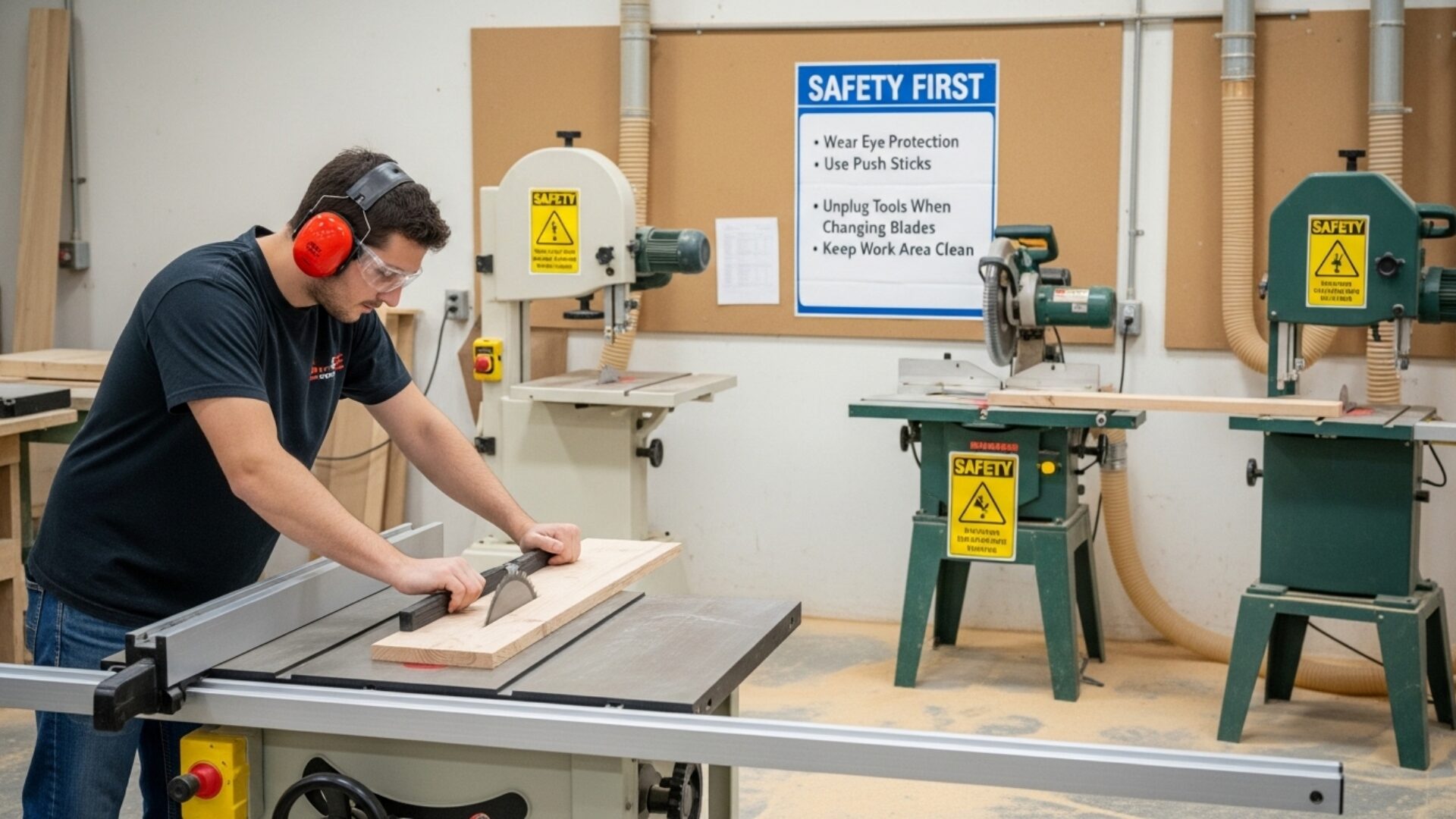
Avoid accidents by using proper protection every time you work. Stay safe because rules exist for a reason inside workshops.
Wait your turn. Big tasks need hours, sometimes days. Pay close attention to each step along the way.
A solid finish begins long before the last brushstroke. Each choice along the way shapes how well it holds up. Staying alert to details keeps things strong. Thoughtful steps lead to results that look right. Safety grows from consistent care, not luck.

For about sixty-seven dollars, you can get into Ted’s Woodworking – sometimes less if there is a short-term deal going. Should you change your mind later, refunds are an option. That means testing everything without pressure.
Building these projects cuts costs compared to buying ready-made pieces while improving how you work with wood. One moment you’re measuring, next you’re sanding – each step sharpens ability.
Frequently asked questions

Got questions about getting Ted’s Woodworking plans? Here’s how it works. Buy a membership – right after, you can grab every one of the 16,000 designs straight to your device. Everything comes as PDFs, ready whenever you are.

Not at all. These designs work just fine in tight spaces using only basic gear.

Starting out might feel tricky, yet these plans walk you through each part slowly. Every stage comes with clear drawings that show exactly what to do next.
Q4: What types of projects are included?
Furniture comes first when thinking about sheds. Decks follow, tied closely to how home décor shapes outdoor spaces. Projects outside grow from these pieces, linked by purpose rather than plan.

Got your cash back if things don’t work out? Most plans give you two months to decide. That stretch feels fair, right?

Got videos? Every premium plan unlocks access to more than 150 of them. From start to finish, they guide you step by step.

Got a printer? Every plan can be saved then printed whenever needed. That way you have them even without internet.

What’s the price tag on a membership? Around sixty seven dollars to begin, sometimes less when deals pop up.

Primary Sidebar

Categories

  • flooring
  • Great offers
  • lumber
  • plywood
  • timber
  • wood
  • woodboards
  • Woodworking

Recent Posts

  • Small and medium sized woodworking project ideas you can add to your living spaces
  • Designer Color Combinations That Transform Any Home!
  • Timeless home decor trends the will last for years!
  • Creative wood furniture and wood décor pieces ideas to add warmth and beauty to your living spaces
  • Small wood working project ideas you can start making today
  • Beyond The Build How to Maximize Profit from Your Woodworking Creations!
  • Wood furniture ideas and wood décor ideas you can make to maximize profit from Your Woodworking
  • Woodworking projects that sell
  • Profitable Wood furniture ideas and wood décor pieces ideas you can make at home and sell online
  • Wood furniture ideas and wood décor pieces you can make for profit
  • Rustic Wood furniture and décor pieces which will add charm to your living spaces
  • Wood furniture and décor pieces which will make you look twice

  • Home
  • Woodworking
  • wood
  • flooring
  • lumber
  • plywood
  • timber