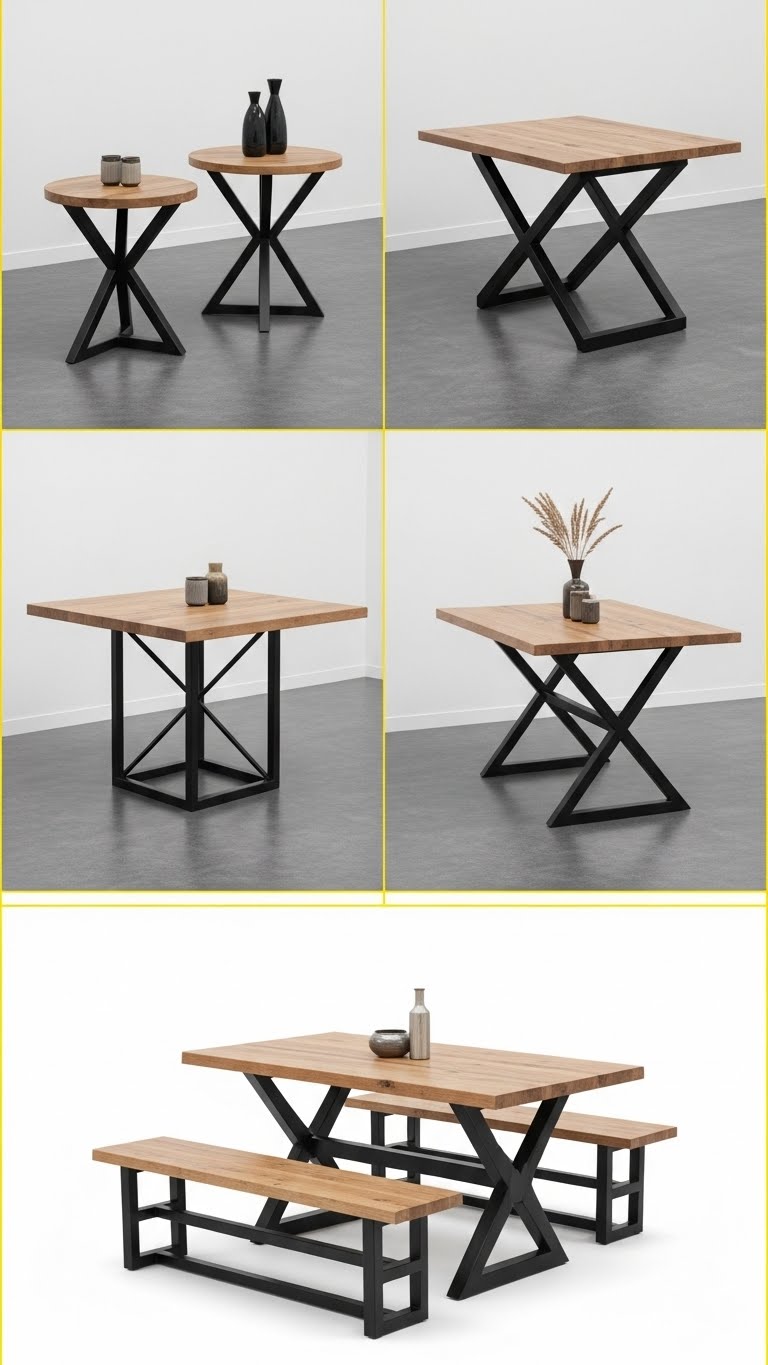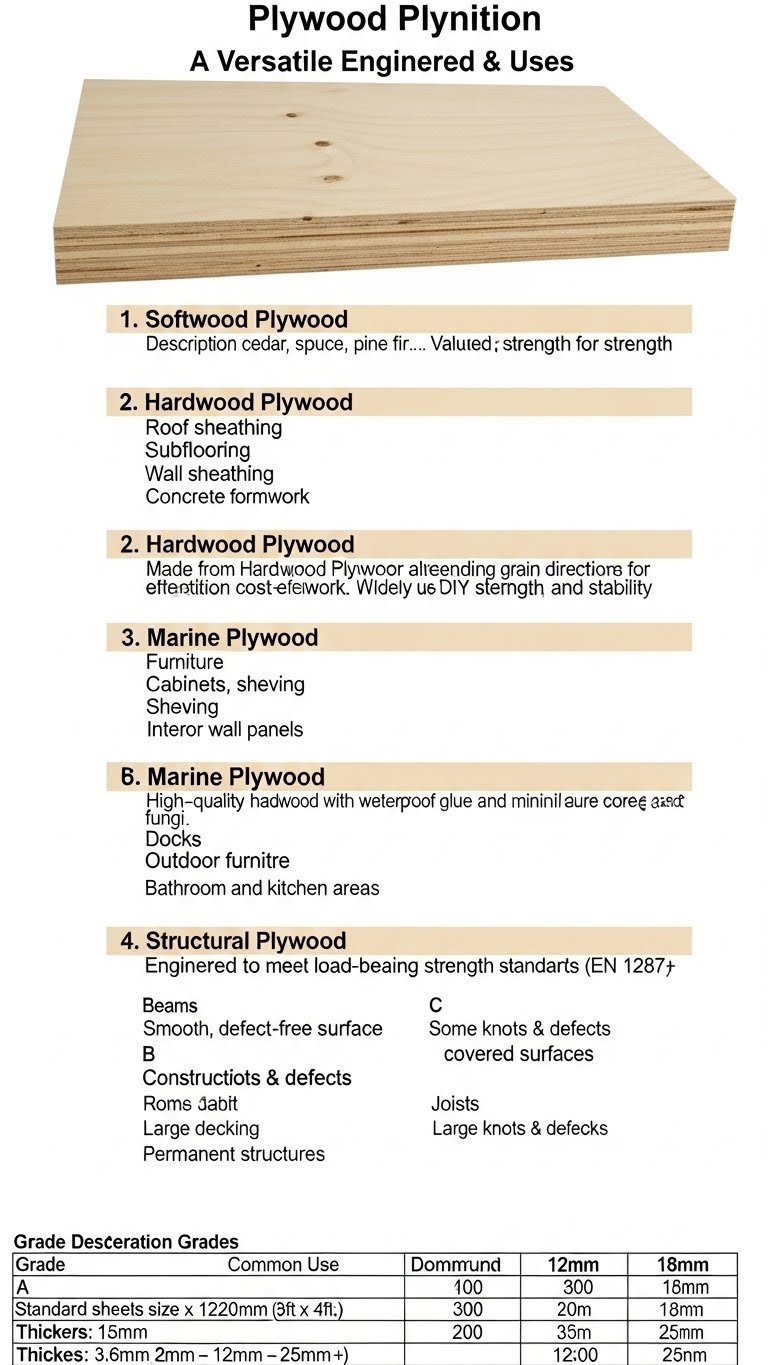
Need plywood in London? Options range from affordable softwood to high-end marine types. Big stores usually carry 8×4 sheets – measuring 2440mm by 1220mm – in sizes between 6mm and 25mm thick. Basic ones begin at roughly £12, while top-tier marine versions can go past £60.
Ever wonder why plywood sticks around? It handles moisture better than solid wood, staying flat when others twist out of shape. One layer runs vertical, the next horizontal this cross pattern fights splitting without adding bulk. Light to carry, strong where it counts.
Start by slicing through it however you like drill holes if needed. Painting works just fine, staining too. When assembling shelves, setting down flooring, or putting together a table, this material keeps up. It does what’s asked while staying affordable.
Common plywood types available in London stores
Starting strong with oak, birch, or maple, this plywood holds up well while looking good. When looks count, it shows up in shelves, cabinets, and furniture pieces. Toughness comes through just as much as the smooth surface does.
Priced between nineteen and forty-two pounds. Sheets measure eighteen millimetres thick
Perfect when you need something that shows. Think detailed work like built-in shelves or fine wood connections. Great where looks matter most
When it comes to building jobs, softwood plywood stands out Douglas fir mixed with pine brings solid performance without the high cost. Cheaper than many alternatives, it shows up where budget and durability are top priorities.
Price range: £12-£31 for 18mm sheets
Perfect when you need something strong underfoot. Works well on walls too. Roof surfaces hold up better with it. Pours of concrete stay in place because of its shape
Water soaks into regular wood. Marine plywood stands up to it just fine thanks to glue that won’t give way when wet. Tiny spaces inside most boards invite trouble yet this type stays solid throughout. Boats get mentioned a lot but your deck or shed could benefit too. Toughness comes from layers sealed tight one by one. Moisture tries hard still it can’t push through easily here.
Priced beyond sixty pounds, an 18-millimetre slab slips into budget territory only for some. Cost climbs fast when thickness matters. That size often stretches past basic spending plans
Fine when it stays outside a lot. Works well on decks, patios, boats, garden chairs. Holds up where air feels heavy with damp
Bend it any way you like – this plywood doesn’t fight back. Curves happen easily, no steaming needed. Craftsmen choose it when shapes get tricky. Ideas take form without hassle.
Perfect when shaping wood for rounded chairs. Works well with arched door frames. A go-to for smooth half-pipes used in skateboarding. Fits right into modern front counters at offices
A single sheet often wears two labels. Think of it like front and back having separate report cards. Grade A means smooth, even surfaces without flaws. The opposite end, grade D, accepts knots and patches. One letter judges what you see first. Another handles the hidden side. Quality shifts between those extremes. Labels combine these ratings into a pair.
Silky smooth, without a single flaw. Perfect for spots that get lots of attention. Place it where eyes tend to linger.
Some small imperfections okay here. Works well below coatings or transparent layers.
Knots as big as one and a half inches? That’s okay here. Out of sight work gets this grade – hidden spots only.
Not meant for looks – this one’s got big knots, plenty of gaps. Out of sight jobs fit it best. Picture under floors, maybe crates.
Fresh air moves through spaces meant for inside use – think bedrooms or lounges where walls block moisture. These spots stay safe from rain, snow, or damp conditions. Workrooms tucked under cover also fit here. Only areas without wetness belong on this list. Settings must keep surfaces dry at all times
Now here’s a twist – this version copes when dampness shows up mid-build, then dries naturally afterward
When rain hits, it stays dry inside thanks to a tight seal from weatherproof adhesive. Outdoor builds hold up when shielded like this. Rain, wind, sun – none get through easily if sealed right
Places to find plywood in London
Starting at eleven forty-seven, twelve-millimetre hardwood ply can be found across several B&Q spots in London. Orders above three hundred fifty pounds come with no charge for shipping. Pick up your order the same day if you buy it online easily. One option is collecting what you need straight from the shop.
Over at Builder Depot, a few spots across London stock 18mm hardwood ply – costs £22.43. Marine grade sits on shelves too, priced higher at £59.97. Shoppers often find deals better when buying more. Staff there tend to make things smooth for work crews dropping by.
Starting at thirteen pounds, non-structural hardwood plywood sits on Wickes shelves. Structural types hover near thirty quid. If you’re in London, pickup beats delivery for speed. Workers there know their stuff when it comes to picking a solid grade.
Built for tradespeople, Travis Perkins offers solid structural hardwood plywood – eighteen millimetre sheets cost forty-two pounds nineteen. Across various spots in London, their stores welcome both handymen and serious builders alike.
Pick up whole 8×4 panels rather than ready-cut bits – costs drop by a third to half when you do the slicing. Many shops lend out saws or will chop them for a few extra dollars.
When getting several sheets, ask about lower prices per piece. Usually, three and above means each one costs less.
Half-off deals often hide in plain sight. Look for items with bent edges or leftover rolls near the back of the store. Employees might point you toward bins labeled “imperfect” or tucked behind ladders. These scraps run just fine when sliced down later. Flaws on the outside usually dont matter once re-sized.
Pick a thickness between six and nine millimeters if you need something light. Panels like these work behind drawers or on cabinet backs. Think thin but steady for small jobs. A lighter sheet holds its place without weighing things down
A dozen millimeters works fine for typical cabinets. Light storage units fit this thickness well. Wall coverings inside rooms often use it too
Built strong, 18 millimeters suits big jobs. Kitchen cupboards stand firm with that thickness. Solid shelves hold weight without bending. Floor panels last longer when they are this dense. Sturdy furniture often uses material of this measure
24mm+: Structural applications, workbenches, heavy load-bearing projects
Frequently Asked Questions Is plywood stronger than solid wood?
Plywood works well in nearly every situation. Because it’s built with layers running different ways, it stays flat and strong no matter which direction force comes from. Unlike solid wood, which tends to crack following the grain line, this material holds together without splitting.
Moisture breaks down the glue in indoor plywood fast. That means layers will split apart before long. Outdoors, pick exterior or marine types instead. Their binders handle wet just fine.
At many B&Q locations, they’ll shape plywood how you need it. Not every branch handles this the same way. One might bill you per slice, another may toss in a handful at no cost. Get on the phone first – check what applies where you are. Show up with precise numbers written down. That part matters more than people think.
Which works best for furniture – MDF or plywood?
Built tough, plywood handles weight without failing. Cheaper than its cousin, MDF gives a flawless paint job though it drags on the scale. When water looms or stress mounts, reach for layered wood instead. Sink into damp conditions, and MDF breaks apart like stale bread.
How do I transport an 8×4 sheet without a van?
Half-cutting sheets at no charge? Common in most London shops when you’re driving off with them. Fasten the pieces well on your roof rack instead of risking loose flaps. Otherwise, hand over thirty to sixty pounds for nearby drop-off – a price some accept just to skip the trouble.
Does plywood need sealing?
Fresh coats on inside spaces aren’t required for protection – appearance gets a quiet lift when color goes on. Out there, where rain leans hard against surfaces, shielding wood means locking it down with tough base layers made for open air, finished off with coatings that resist wet rot.
Your project could begin now. Head to a local London store with your measurements in hand – people there know their stuff, they will point you toward the right choices. Go when it suits you.