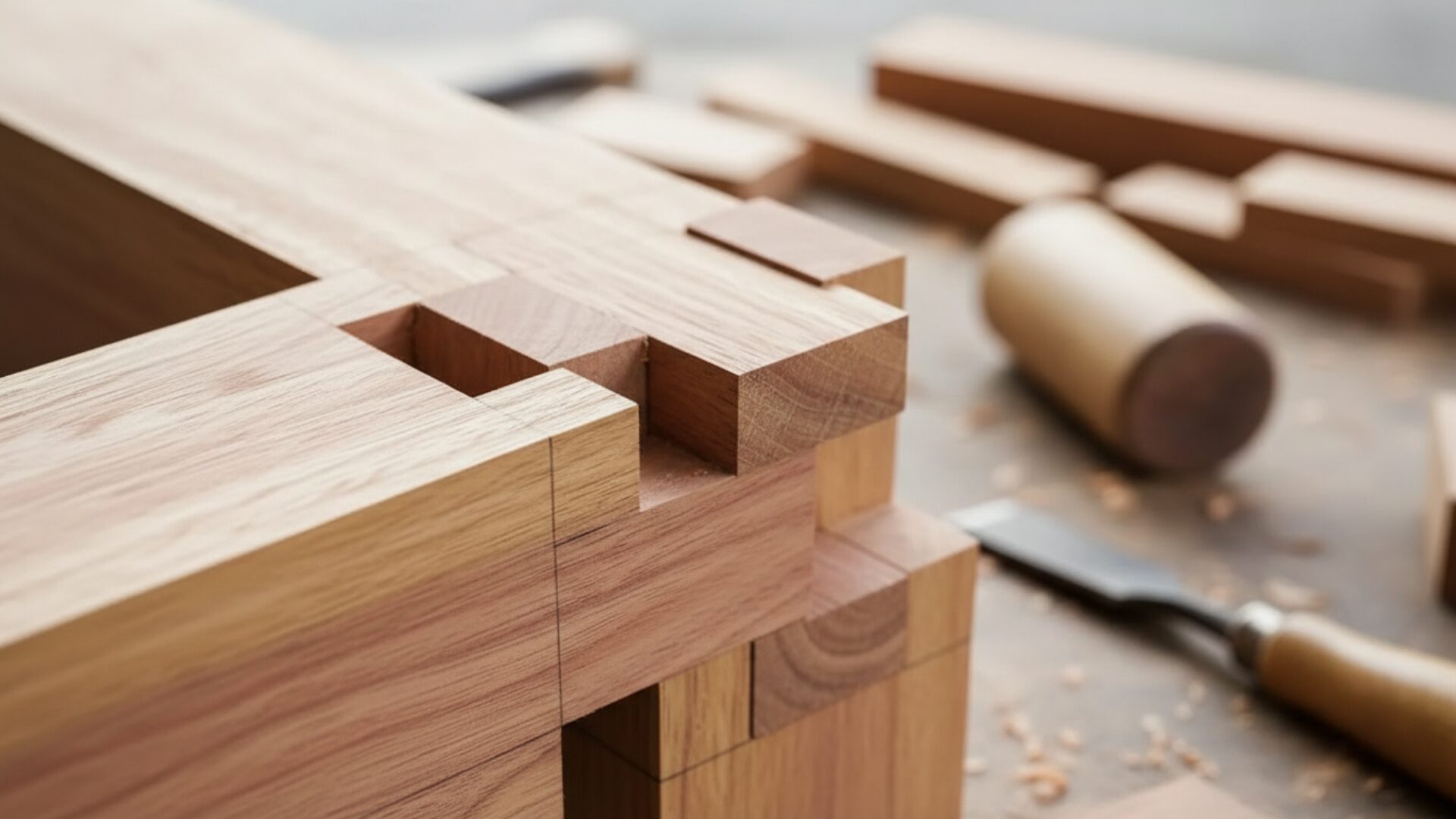
 Japanese woodworking is a centuries-vintage craft primarily based on precision joinery, appreciate for nature, and sustainability. Using advanced wooden-to-timber joints as opposed to nails or screws, Japanese carpenters create earthquake resistant homes designed to be repaired, not modified.
Japanese woodworking isn’t always just a building method. It is a philosophy. For over 1,000 years, Japanese carpenters have formed wooden with staying power, subject, and deep admire for nature. Their systems stay to inform the tale earthquakes, humidity, and time itself, frequently with out a unmarried nail. That isn’t always magic. That is mastery.
Core Traditions and Philosophy
Reverence for Wood
Wood is dealt with as a dwelling companion, now not raw cloth. Temple carpenters, known as Miya-daiku, historically honor wooded area spirits earlier than cutting timber. Even placement subjects. The south component of a tree is used at the south aspect of a building to hold balance and strength.
Kigumi (Japanese Wood Joinery)
At the coronary heart of Japanese woodworking is Kigumi, a device of complex interlocking joints. No glue. No screws. These joints permit houses to flex all through earthquakes in place of disintegrate. The shape absorbs movement in place of resisting it.
Sustainability Through Repair
Japanese lifestyle values renewal over replacement. The Ise Grand Shrine has been ritually rebuilt each twenty years for loads of years. This exercise ensures talent transfer, preserves craftsmanship, and stops data loss.
Key Types of Japanese Woodworkers
Miya-daiku: Shrine and temple builders expert in huge beams and earthquake resistance
Sukiya-daiku: Residential and teahouse carpenters targeted on simplicity and natural aesthetics
Sashimono: Fine furnishings makers using blind joints that depart clean, seamless surfaces
Kumiko: Decorative specialists creating intricate geometric styles from skinny wood strips with out nails
Specialized Techniques Worth Knowing
Kigoroshi: Wood is compressed before joining, then expands to fasten joints completely
Magemono and Mageki: Traditional and current bending techniques used for packing containers and fixtures
Yaki-Sugi: Cedar is charred to grow to be weatherproof, insect-resistant, and lengthy-lasting
Japanese Woodworking Today
Traditional techniques continue to evolve. The Takenaka Carpentry Tools Museum in Kobe preserves historical system and strategies. Architects together with Kengo Kuma integrate traditional joinery into cutting-edge landmarks. Cultural hubs like Japan House London and Japan House Los Angeles host exhibitions that introduce these traditions to global audiences.
Japanese woodworking proves one principle definitely. When substances are reputable, they bear.
FAQ
What makes Japanese woodworking special from Western strategies?
Japanese woodworking relies on specific timber joinery in preference to nails or screws, allowing structures to transport sincerely and very last longer.
Why do Japanese carpenters keep away from metal fasteners?
Metal corrodes and restricts motion. Wood joints increase and contract actually, enhancing durability and earthquake resistance.
What is Kumiko woodworking used for?
Kumiko is applied in sliding doors, video display units, furnishings panels, and modern-day interior design for decorative geometric patterns.
Is Japanese woodworking sustainable?
Yes. It specializes in repair, reuse, and lengthy-term sturdiness instead of disposal and rebuilding.
Can Japanese woodworking techniques be applied in present day homes?
Yes. Many current architects integrate conventional joinery with current-day layout and substances.
Leave a Reply